What Is a Zip Top Sandwich Bag?
Discover the definition and mechanism of zip top sandwich bags, and learn how to compare double zipper, slider, and zipper-free styles for food packaging needs.
2026/11/09
Reading volume: 1
News Details
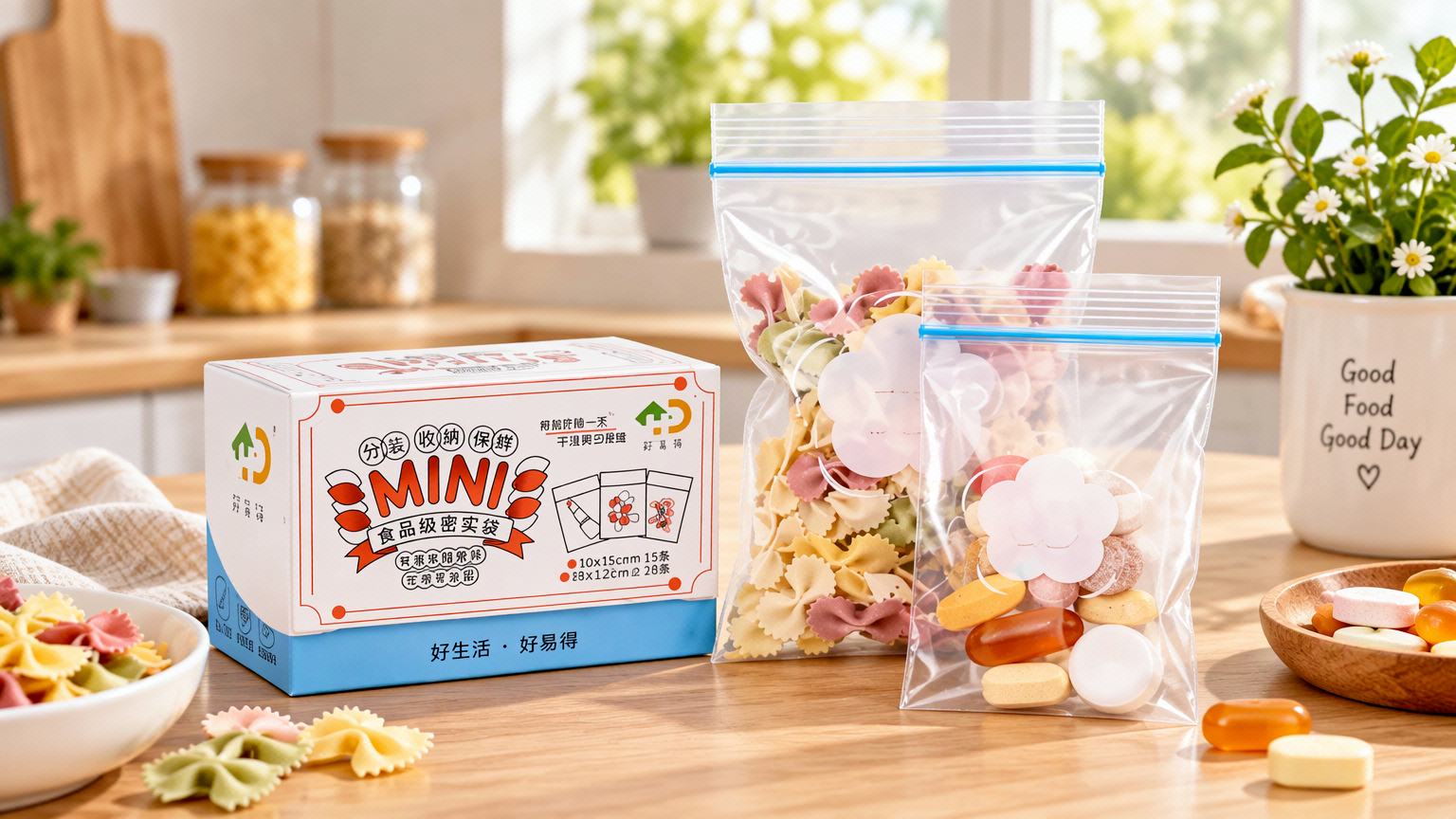
Sandwich bags are a common type of food packaging. They help keep sandwiches, snacks, fruit, and other small food items clean and easy to carry. Among the different options, zip top sandwich bags are especially popular because they offer a simple way to open, close, and store food.
For food brands, supermarkets, wholesalers, and packaging distributors, choosing the right sandwich bag is important. Different closure designs offer different levels of convenience, sealing performance, and cost.
So, what is a zip top sandwich bag? How does it differ from double zipper and slider zipper bags? And when should businesses choose sandwich bags without a zipper?
This guide explains the main features, types, materials, and buying considerations for B2B packaging buyers.
1. What Is a Zip Top Sandwich Bag?
A zip top sandwich bag is a flexible plastic food storage bag with a resealable closure along its top opening. The closure usually consists of two interlocking plastic tracks. Users press the tracks together to close the bag and pull them apart to reopen it.
Unlike traditional disposable bags, zip top sandwich bags can be opened and closed multiple times, depending on the bag's design and condition.
They are commonly used for:
-
Sandwiches and bread slices
-
Fresh fruit and vegetables
-
Cookies, crackers, and snacks
-
Cheese and deli products
-
Small food portions and meal prep
-
Lunch boxes and takeaway food
Most sandwich bags are made from flexible polyethylene (PE). This material is lightweight, transparent, and suitable for many everyday food storage applications when manufactured to meet the relevant food-contact requirements.
For businesses, zip top sandwich bags offer a practical balance between convenience, product visibility, and packaging cost.
2. How Do Zip Top Sandwich Bags Work?
The main feature of a zip top sandwich bag is its resealable track.
The bag has two matching plastic strips near the opening. When users press them together, the tracks lock into each other and form a closed seal.
To open the bag, users simply pull the two sides apart.
This design offers several benefits:
Easy to use: No extra clips, tape, or heat-sealing equipment is needed for normal use.
Reusable for daily storage: Users can open and close the bag several times when the material and seal remain in good condition.
Product visibility: Clear PE film allows users to see the contents without opening the package.
Convenient storage: The lightweight structure makes the bags easy to carry, stack, and organize.
However, sealing performance depends on the zipper design, film quality, and manufacturing process. A standard zip top bag should not automatically be treated as leakproof or suitable for long-term freezer storage.
3. Different Types of Zip Top Sandwich Bags
Not all sandwich bags use the same closure. For B2B buyers, understanding these differences helps match packaging with product needs and customer expectations.
3.1 Standard Single-Zipper Sandwich Bags
Standard zipper bags feature one interlocking track at the top.
They are simple, lightweight, and cost-effective. Therefore, they are a common choice for everyday food storage and retail packaging.
Typical applications include:
-
Sandwiches and bread
-
Dry snacks and cookies
-
Fresh fruit
-
Small food portions
For brands that need affordable packaging for large quantities, single-zipper bags are a practical option.
3.2 Double Zipper Sandwich Bags
Double zipper sandwich bags feature two parallel sealing tracks instead of one.
This design provides an additional closure point. As a result, it can help reduce accidental opening and improve sealing reliability compared with a basic single-zipper design.
Common applications include:
-
Moist food and prepared meals
-
Meat and cheese portions
-
Refrigerated food storage
-
Freezer storage, when the material is designed for it
For distributors and food packaging brands, double zipper bags can be a good choice when stronger closure performance is a key selling point.
3.3 Slider Zipper Sandwich Bags
Slider zipper sandwich bags use a small plastic slider that moves along the top track.
Instead of pressing the zipper together by hand, users move the slider from one side to the other to close the bag. To reopen it, they slide it back.
Their main advantages include:
-
Faster opening and closing
-
Convenient handling
-
Easier operation for users with limited hand strength
-
A practical design for repeated daily use
These bags are suitable for family food storage, meal preparation, snacks, and retail packaging.
For premium packaging lines, slider closures can also provide a more convenient user experience.
3.4 Sandwich Bags Without Zipper
Sandwich bags without zipper closures usually have an open top or a simple fold-over design.
They are often used for single-use food packaging rather than repeated storage.
Their main advantages are:
-
Simple bag structure
-
Lower closure complexity
-
Easy and fast filling
-
Suitable for high-volume food service
These bags work well for bakeries, sandwich shops, takeaway services, and catering businesses.
However, they do not offer the same resealing convenience as zipper bags. Therefore, buyers should choose them based on the intended use and packaging process.
4. Zip Top Sandwich Bags vs. Other Sandwich Bags
Choosing the right bag depends on the balance between sealing performance, convenience, and cost.
Here is a simple comparison:
| Bag Type | Main Feature | Best Applications |
| Single-zipper bag | One sealing track | Sandwiches, snacks, daily storage |
| Double zipper bag | Two sealing tracks | Moist foods, meal prep, freezer storage |
| Slider zipper bag | Sliding closure | Frequent opening and closing |
| Bag without zipper | Open or fold-over top | Bakeries, takeaway, food service |
For example, a supermarket selling pre-packed sandwiches may prefer standard zipper bags for cost control. A brand offering premium meal-prep products may choose slider zipper sandwich bags for easier use.
Meanwhile, a bakery serving takeaway customers may find that sandwich bags without zipper closures are more suitable for fast packing.
5. What Materials Are Used for Zip Top Sandwich Bags?
Material selection affects bag strength, flexibility, clarity, and food protection.
Polyethylene (PE) is one of the most common materials used for sandwich and food storage bags.
Different PE materials may be selected according to the required performance:
LDPE (Low-Density Polyethylene): Offers good flexibility and softness. It is suitable for many everyday food storage bags.
LLDPE (Linear Low-Density Polyethylene): Provides good flexibility and resistance to tearing and punctures.
HDPE (High-Density Polyethylene): Offers greater stiffness and is often used for lightweight bags where a firmer feel is preferred.
Besides material type, buyers should also consider film thickness, transparency, odor, and sealing strength.
For food-contact applications, always confirm that the material and finished bag meet the regulations of the target market.
6. How to Choose the Right Sandwich Bags for Your Business
For wholesalers, importers, supermarkets, and private-label brands, selecting the right bag requires more than comparing prices.
Here are five important factors to review.
6.1 Product Type
Start by identifying what the bag will contain. Dry sandwiches and snacks may only need a standard zipper. Moist foods may require a stronger closure and more suitable film structure.
6.2 Bag Size
Choose dimensions based on the actual product. The bag should provide enough room for filling and removal without wasting too much material.
6.3 Closure Performance
Consider how often customers will open the bag. Standard zippers are suitable for basic storage, while double zippers and sliders offer different benefits for sealing and convenience.
6.4 Film Thickness
Film thickness should match the product weight and handling conditions. Thicker film may provide better durability, but it can also increase material costs.
6.5 Customization Requirements
For private-label products, consider custom sizes, printed logos, zipper colors, writable areas, and retail packaging.
A well-designed bag can improve product presentation while supporting brand recognition.
7. Custom Sandwich Bag Solutions from Haida
Choosing a reliable manufacturer is essential for businesses that need stable quality and consistent bulk supply.
Haida Group has specialized in self-sealing bags and zipper bags since 2003. With more than 20 years of manufacturing experience, the company provides flexible packaging solutions for food brands, wholesalers, distributors, and retail businesses.
Haida offers different food packaging options, including standard zipper bags, double zipper bags, and slider zipper bags.
Buyers can discuss customization requirements such as:
-
Bag dimensions and thickness
-
PE and laminated film materials
-
Single or double zipper closures
-
Slider closure designs
-
Custom printing and logo placement
-
Retail packaging and bulk packing
-
OEM and ODM services
Whether you need everyday sandwich bags, double zipper sandwich bags, or slider zipper sandwich bags, selecting the right structure helps create packaging that meets your product and market requirements.
8. Frequently Asked Questions
Are zip top sandwich bags reusable?
Yes. Many zip top sandwich bags can be opened and closed multiple times. However, reuse depends on the bag's material, condition, and intended application. Bags used for raw meat or other foods with higher contamination risks should be handled according to food safety guidance.
What is the difference between double zipper and slider zipper sandwich bags?
Double zipper bags use two parallel sealing tracks to provide an additional closure point. Slider zipper bags use a moving plastic tab to make opening and closing easier. The two designs focus on different user needs.
Are sandwich bags without zipper suitable for retail?
Yes. They are commonly used for pre-packed sandwiches, bakery products, and takeaway food. However, they are less suitable when customers need to reopen and reseal the package.
Can zip top sandwich bags be used in the freezer?
Some can, but not all. Freezer use depends on film thickness, material properties, and seal performance. Buyers should select bags designed and tested for low-temperature storage.
Can manufacturers produce custom zipper sandwich bags?
Yes. Packaging manufacturers can customize bag sizes, film thickness, zipper types, printing, and outer packaging according to order requirements.
Conclusion
A zip top sandwich bag is a practical food packaging option that combines a flexible plastic structure with a resealable top closure. It helps keep sandwiches, snacks, and other food items organized while offering convenient access.
For B2B buyers, the key is to select the right closure for the intended application. Standard zipper bags offer everyday convenience, double zipper sandwich bagsprovide an additional sealing track, and slider zipper sandwich bags make repeated opening and closing easier. Meanwhile, sandwich bags without zipper closures remain a useful choice for simple, single-use food packaging.
By considering product type, material, bag size, and closure performance, businesses can choose suitable sandwich bags for retail, food service, and wholesale distribution.
Share to:


