Gusseted Slider Bags: Choosing a Stable Stand-Up Base
Discover how bottom gussets elevate stand-up zipper pouches. Explore pouch structure, film gauges, bottom widths, and customizable options for robust packaging.
2026/11/09
Reading volume: 0
News Details
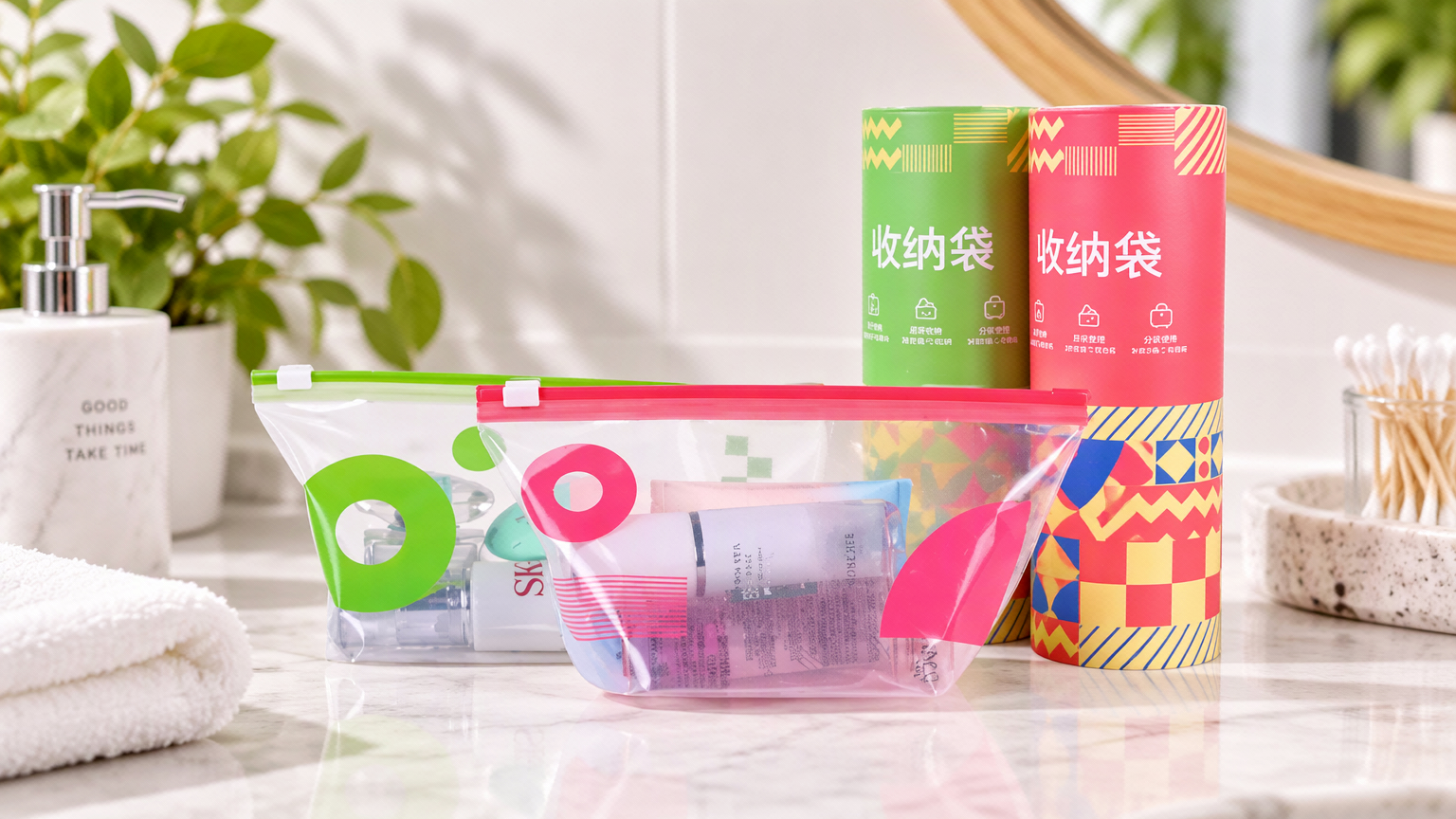
Packaging needs to do more than protect a product. It should also be easy to use, simple to store, and attractive on retail shelves. For this reason, many food brands and packaging buyers choose stand up slider bags with a bottom gusset.
A bottom gusset gives a flexible bag a wider base. As a result, the bag can stand upright when filled. At the same time, a slider closure makes opening and closing easier for end users.
However, not every gusseted slider bag offers the same level of stability. Base width, film thickness, bag dimensions, and product weight all affect how well the bag stands.
So, how should B2B buyers choose the right structure? This guide explains the key points to consider when sourcing gusseted slider bags for commercial packaging.
1. What Are Gusseted Slider Bags?
Gusseted slider bags are flexible packaging bags that combine a slider zipper closure with an expandable bottom section.
The slider is attached to the zipper track. Users can move it across the opening to close or open the bag. This design is more convenient than a standard press-to-close zipper, especially when users need to access the contents frequently.
Meanwhile, the bottom gusset folds inward when the bag is empty. Once the bag is filled, the folded section opens to create a wider base.
This structure provides two main benefits:
-
Easy access: The slider allows users to open and close the bag quickly.
-
Better standing performance: The expanded bottom creates a flat support area for upright storage and display.
Therefore, these bags are suitable for food storage, snacks, frozen products, and other daily packaging applications.
2. How Does a Bottom Gusset Improve Bag Stability?
The bottom structure plays an important role in the standing performance of a flexible bag.
A flat bag has no wide support area. When filled, it may lean or fall over, especially if the contents are unevenly distributed.
In contrast, bottom gusset bags expand outward when filled. This creates a three-dimensional base that supports the weight of the contents.
There are three main factors behind this improvement.
Wider Contact Area
A wider base allows more of the bag to touch the supporting surface. This helps reduce side-to-side movement and makes the package easier to arrange on shelves.
Better Weight Distribution
The gusset helps spread the product weight across the bottom instead of concentrating it in one narrow area.
As a result, the bag can maintain a more upright position when filled correctly.
More Usable Internal Space
The expandable base also increases the usable volume of the bag without requiring a much wider front panel.
This is useful for products that need more storage space but still require a compact package.
3. Four Factors That Affect Stand-Up Stability
Choosing the right gusset structure requires more than looking at the base width. Buyers should consider the complete bag design.
3.1 Bottom Gusset Width
Gusset width is one of the most important factors.
A narrow gusset may not provide enough support for large or heavy products. On the other hand, an unnecessarily wide gusset may increase material use and packaging costs.
When selecting the width, consider:
-
Product weight and volume
-
Bag height and front width
-
Required standing performance
-
Available shelf or storage space
For example, a bag designed for lightweight snacks may need a different base structure from one used for frozen food or larger food portions.
The best approach is to test the actual product in the proposed bag size.
3.2 Film Thickness and Strength
Film thickness affects the bag's ability to support its contents.
If the film is too thin, the bottom may stretch or lose its shape under pressure. This can reduce standing stability and increase the risk of damage during handling.
However, thicker film is not always the best choice. It may increase material costs without providing meaningful benefits for lightweight products.
Buyers should balance thickness with:
-
Product weight
-
Puncture resistance
-
Flexibility
-
Sealing strength
-
Storage and transportation conditions
A suitable film structure helps the bag maintain its shape while remaining flexible enough for daily use.
3.3 Bag Height and Width
The overall dimensions also affect stability.
A tall, narrow bag may be more likely to tip over than a shorter bag with a wider base. Therefore, buyers should consider the relationship between bag height, front width, and bottom gusset width.
For retail packaging, the goal is to create a balanced shape that looks neat and stands reliably.
3.4 Product Weight and Distribution
Even a well-designed bag may become unstable if its contents are not evenly distributed.
For example, heavy products placed on one side can cause the bag to lean. Uneven filling may also create pressure on the bottom seals.
Before mass production, test the bag with the actual product and expected filling quantity.
4. How to Choose the Right Stand Up Slider Bags for Different Applications
Different products have different packaging requirements. Therefore, buyers should match the bag structure to the intended application.
| Application | Recommended Design Considerations |
| Snacks and dry foods | Clear film, suitable gusset width, easy slider closure |
| Frozen food | Low-temperature resistance, strong film, reliable sealing |
| Fresh produce | Flexible material, suitable capacity, convenient reopening |
| Meal preparation | Stable base, practical size, easy product access |
| Household storage | Durable film, reusable slider, custom dimensions |
For food packaging, material safety is also important. Buyers should confirm that the selected film is suitable for the intended food contact conditions and target market regulations.
5. Custom Slider Pouches: What Can Buyers Customize?
For brands and wholesalers, standard bag sizes may not meet every packaging requirement.
Custom slider pouches allow buyers to adjust the bag design according to product dimensions, filling needs, and retail requirements.
Common customization options include:
Bag Size and Gusset Dimensions
The height, width, and bottom gusset can be adjusted to match the product. This helps improve filling efficiency and standing performance.
Material Structure
Different applications may require different film structures.
For example, PE is commonly used for flexible food storage bags. Laminated film structures may also be considered when specific barrier or printing requirements apply.
Film Thickness
Buyers can select suitable thickness based on product weight, handling conditions, and durability needs.
Slider and Zipper Design
The slider type, zipper track, and closure color can be customized to support different product requirements and brand styles.
Printing and Packaging
Custom printing allows brands to display logos, product information, instructions, and other design elements.
Outer packaging options can also be adjusted for retail display and wholesale distribution.
6. How to Test the Stability of Gusseted Slider Bags Before Ordering
Before placing a bulk order, buyers should request samples and carry out practical tests.
Here are five useful checks:
1. Standing Test
Fill the bag with the intended product quantity. Place it on a flat surface and check whether it can stand without external support.
2. Weight Distribution Test
Check whether the bag remains upright when the contents settle naturally. Pay attention to uneven weight distribution.
3. Bottom Seal Test
Inspect the bottom seams for wrinkles, weak areas, or visible gaps. The bottom should remain intact under normal filling and handling conditions.
4. Repeated Opening Test
Open and close the slider several times. Check whether it moves smoothly and whether the zipper track remains properly aligned.
5. Transportation Test
Simulate normal handling, stacking, and transportation conditions. Check whether the bag deforms, leaks, or becomes damaged.
These tests help buyers identify design problems before mass production and reduce the risk of packaging complaints.
7. Why Choose Haida for Custom Slider Bag Solutions?
Choosing a reliable packaging manufacturer is important for long-term product quality and supply stability.
Haida Group has focused on self-sealing bags and zipper bag manufacturing since 2003. With more than 20 years of industry experience, the company provides packaging solutions for food, household, and other commercial applications.
Haida offers customized packaging options, including slider zipper bags, zipper bags, and stand-up pouch designs.
For buyers developing new packaging products, Haida can support key requirements such as:
-
Custom bag dimensions and thickness
-
Different zipper and slider closure options
-
Material selection for specific applications
-
Custom logo printing and packaging
-
OEM/ODM packaging solutions
By matching the bag structure with the product's weight, size, and storage needs, buyers can develop packaging that offers both convenience and reliable performance.
8. Frequently Asked Questions
What is the difference between a flat slider bag and a gusseted slider bag?
A flat slider bag has a simple two-dimensional structure. A gusseted slider bag includes an expandable bottom section that creates a wider base when filled. This allows it to stand upright more easily.
Are stand up slider bags suitable for heavy products?
Yes, they can be used for heavier products when the film thickness, bottom structure, and seal strength are properly selected. Buyers should test the actual filled bag before confirming bulk production.
Does a wider bottom gusset always improve stability?
Not necessarily. A wider gusset can increase the support area, but overall stability also depends on bag height, front width, film strength, and product weight distribution.
Can custom slider pouches include printed logos?
Yes. Custom slider pouches can include brand logos, product information, and other printed graphics. Buyers should confirm printing positions and keep the design clear of the slider and zipper area.
How do I choose the right gusset width?
Start with the product's dimensions, weight, and filling volume. Then evaluate the bag's overall proportions and test samples with the actual contents. This is more reliable than choosing a gusset width based on appearance alone.
Conclusion
A stable stand-up base is an important feature of gusseted slider bags. The right bottom gusset can improve shelf presentation, support product weight, and make storage more convenient.
However, stability depends on the complete bag structure, not just the gusset width. Film thickness, bag dimensions, bottom seals, and product distribution all matter.
For B2B buyers, the best solution is to test samples with real products before moving to mass production. With suitable materials and customized dimensions, stand up slider bags can provide a practical packaging solution for food brands, retailers, and wholesalers.
Share to:


