LDPE vs HDPE Food Storage Bags: Strength, Clarity, Sealability and Cost
News Details
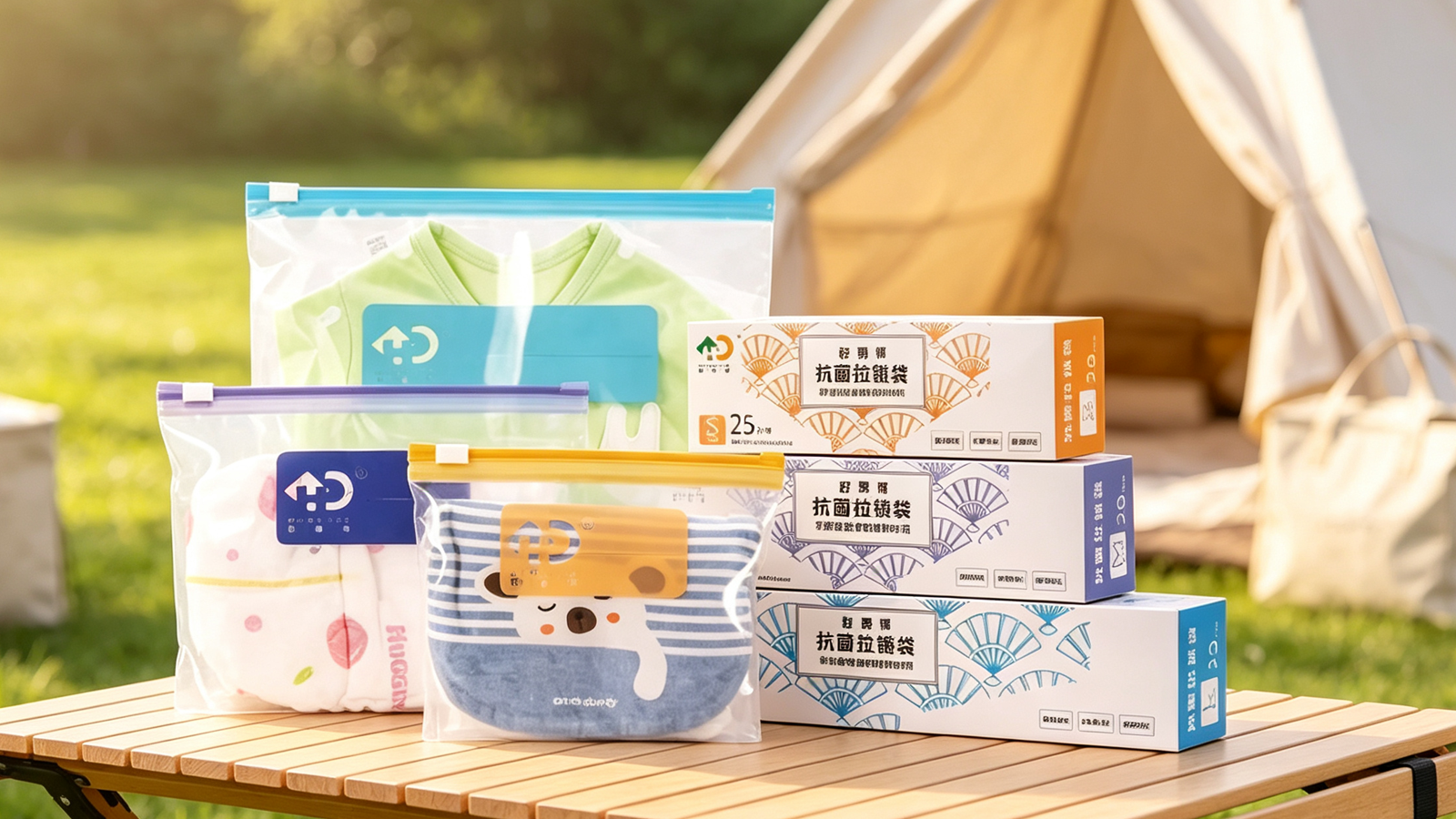
Choosing the right material for bulk food packaging directly affects product safety, shelf appearance, and total operating cost. Two low-density and high-density polyethylene options dominate the market: Low-Density Polyethylene (LDPE) and High-Density Polyethylene (HDPE).
While both polymers offer reliable food-safe protection, their physical traits suit very different commercial uses. This guide compares LDPE and HDPE across strength, clarity, sealability, and cost to help food brand owners, wholesalers, and commercial buyers make the right film material selection.
What Are LDPE and HDPE Food Packaging Materials?
Both LDPE and HDPE come from ethylene monomer chains, but their internal molecular structures differ significantly.
-
LDPE (Low-Density Polyethylene): LDPE features a highly branched molecular structure. This branching prevents the polymer chains from packing tightly together, giving the material excellent flexibility, soft feel, high clarity, and strong puncture resistance.
-
HDPE (High-Density Polyethylene): HDPE consists of linear polymer chains with minimal branching. The tightly packed molecules form a denser, stiffer material that offers higher tensile strength, temperature resistance, and superior moisture barrier properties.
Both materials are widely used to manufacture BPA free food storage bags that meet international food contact regulations set by the FDA and EU authorities.
Material Comparison Matrix
The table below highlights the core performance differences between LDPE and HDPE films for food packaging applications:
| Performance Metric | LDPE Bags | HDPE Bags |
| Material Structure | Highly branched polymer chains | Linear, tightly packed polymer chains |
| Optical Clarity | High transparency & glossy finish | Translucent, cloudy, or matte finish |
| Flexibility & Feel | Soft, smooth, highly flexible | Stiff, firm, crinkly texture |
| Puncture Resistance | Excellent (stretches under pressure) | Moderate (susceptible to tear once punctured) |
| Tensile Strength | Moderate | High (supports heavy load-bearing weight) |
| Moisture Barrier | Good | Excellent |
| Heat Sealability | Excellent (wide sealing window) | Fair (requires higher, precise heat) |
| Relative Cost | Moderate | Lower (requires thinner film gauge) |
Clarity and Visual Appeal
Visual presentation plays a critical role in retail food packaging, as buyers often inspect goods through the bag before purchasing.
-
LDPE Superiority: LDPE provides high optical clarity and a glossy surface. It allows consumers to see frozen meats, fresh produce, or snack items clearly without distortion.
-
HDPE Limitations: HDPE exhibits a translucent or cloudy appearance due to its high crystalline density. While suitable for bulk storage, inner liners, or retail checkout sacks, it is less ideal for premium retail food display where high clarity is required.
Strength, Flexibility, and Puncture Resistance
Mechanical strength determines how well a bag withstands transport, stacking, and rough handling across supply chains.
-
Puncture & Impact Resistance (LDPE): LDPE stretches under stress rather than tearing easily. This elastic yield makes it ideal for packaging frozen poultry, bone-in meats, or seafood with sharp edges.
-
Tensile Load Capacity (HDPE): HDPE possesses higher tensile strength per unit of thickness. It resists stretching under heavy downward loads, making it suitable for bulk grain sacks, heavy food service liners, and commercial storage bags.
Heat Sealability and Closure Performance
A secure seal prevents leakage, stops oxygen ingress, and preserves food freshness.
-
LDPE Sealing Traits: LDPE has a lower melting point and a wide heat-sealing range. It forms strong, hermetic seals quickly, making it the preferred choice for high-speed automated bagging lines and heavy-duty reclosable zipper bags.
-
HDPE Sealing Traits: HDPE requires higher temperatures and precise dwell times to form reliable seals. Because the material is stiffer, creating seamless zipper closures or leak-proof side seals requires more specialized equipment.
As a custom zipper bag manufacturer, Haida provides precision-engineered sealing profiles across both LDPE and HDPE lines to ensure zero leakage in demanding commercial applications.
Food Packaging Bag Thickness Guide
Selecting the proper film gauge ensures adequate structural integrity while preventing unnecessary material costs. Thickness for flexible food packaging is measured in mils (thousandths of an inch) or microns (um).
-
Light Duty (0.5 to 1.0 mil / 12.5 to 25 um): Best for bakery bags, produce bag rolls, and lightweight dry ingredient storage.
-
Medium Duty (1.2 to 2.0 mil / 30 to 50 um): Ideal for general grocery storage, frozen vegetables, bread bags, and standard zipper storage bags.
-
Heavy Duty (2.5 to 4.0 mil / 62.5 to 100 um): Required for bulk frozen food, heavy meat cuts, industrial food ingredients, and long-term cold storage.
Because HDPE has higher tensile strength, buyers can down-gauge film thickness without losing load-bearing capacity, reducing total plastic consumption.
Cost Analysis and Commercial Sourcing
Cost considerations extend beyond the initial per-ton resin price.
-
Raw Material Efficiency: HDPE resin yields stronger films at lower thicknesses. Down-gauging film thickness reduces total resin weight per bag, lowering shipping fees and material costs for high-volume orders.
-
Processing and Yield: LDPE offers faster sealing cycles and superior clarity, which reduces product waste during high-speed packaging operations and enhances shelf appeal for retail sales.
Partnering with an experienced OEM food packaging bags manufacturer like Haida ensures access to optimized film formulations, custom sizing, precise thickness control, and reliable bulk delivery.
Final Recommendation: Which Bag Material Should You Choose?
-
Choose LDPE if your priority is:
-
High clear visibility for retail displays.
-
Strong puncture resistance for sharp or irregular food items.
-
Secure, reclosable zipper seals for fresh or frozen food storage.
-
-
Choose HDPE if your priority is:
-
Maximum cost savings through thin-gauge material reduction.
-
Heavy load capacity for bulk ingredient storage.
-
Superior moisture vapor barrier protection.
-
Haida delivers tailored flexible packaging solutions to meet strict global food safety standards. Contact Haida today to request technical samples or discuss custom OEM orders for your business.


