Custom Zipper Bag MOQ and Pricing: 9 Factors That Change the Quote
News Details
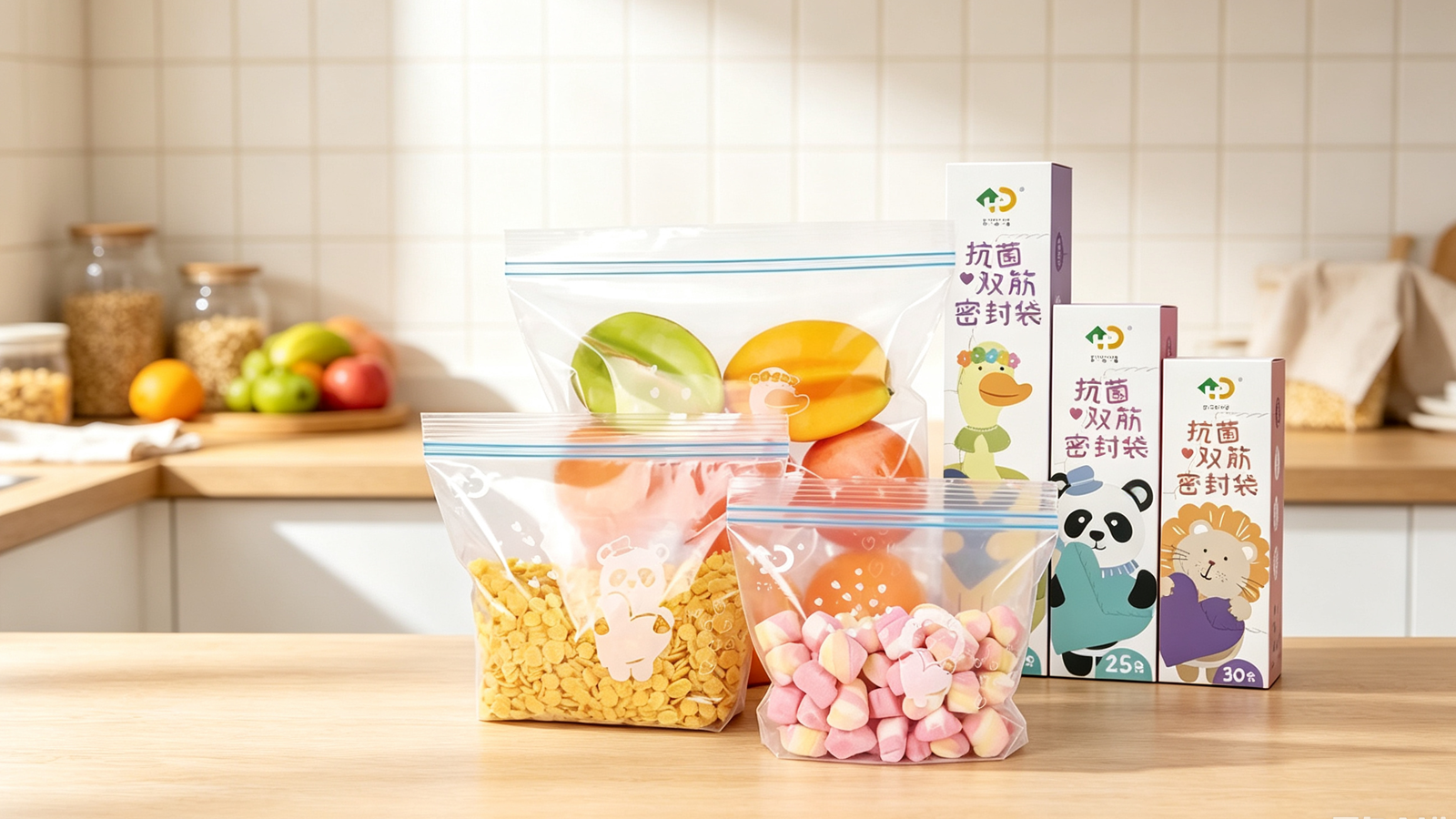
Sourcing wholesale flexible packaging requires balancing budget, product protection, and delivery timelines. When requesting pricing for custom zipper bags, buyers often notice wide price variations between suppliers.
Understanding what drives these price swings helps brand owners and purchasing managers control costs while securing reliable packaging. This guide breaks down the nine main factors that determine your custom zipper bag price, Minimum Order Quantity (MOQ), and production schedules.
1. Raw Film Material Selection
The foundation of every flexible packaging bag is the polymer resin or composite film layer used in production.
-
Monolayer Polyethylene (LDPE & HDPE): Low-Density Polyethylene (LDPE) provides soft flexibility, high clarity, and excellent puncture resistance. High-Density Polyethylene (HDPE) delivers a stiffer feel, higher tensile strength, and lower material weight. Both options remain cost-effective for general food storage.
-
Multi-Layer Laminated Films: Combining materials like PET, PE, PA (Nylon), or Aluminum Foil creates high-barrier packaging for sensitive foods. Added barrier layers increase raw material expenses, which naturally raises the unit price.
Choosing pure, food-grade raw materials certified under FDA or BRCGS standards ensures safety, though high-grade resin commands a slight premium over standard options.
2. Bag Dimensions and Film Thickness
Physical dimensions directly dictate how much raw polymer resin is consumed during the film blowing process.
-
Size Impact: Larger bags require more film per unit, directly increasing the base material cost.
-
Gauge and Thickness: Film thickness is measured in mils or microns. Thicker bags offer stronger seals and higher puncture resistance, but they increase total plastic weight.
To better understand how thickness translates into functional performance, review the general guide below:
| Bag Duty / Application | Typical Thickness (Mil) | Typical Thickness (Microns) | Common Food Uses |
| Light Duty | 0.5 – 1.0 mil | 12.5 – 25 um | Bakery goods, produce, dry snacks |
| Medium Duty | 1.2 – 2.0 mil | 30 – 50 um | Grocery storage, frozen vegetables, bread |
| Heavy Duty | 2.5 – 4.0 mil | 62.5 – 100 um | Bulk frozen meats, seafood, industrial ingredients |
Consulting a food packaging bag thickness guide helps prevent over-specifying thickness, which keeps unit costs within target limits.
3. Zipper Type and Closure Style
The choice of reclosable zipper profile directly affects manufacturing speed and hardware complexity.
-
Single Zipper: The standard single-track zipper is lightweight, economical, and suitable for general kitchen or retail storage.
-
Double Zipper: Featuring two parallel sealing tracks, double-zipper profiles lower leakage risk for liquids and fine powders, adding a small incremental cost.
-
Slider Zipper: Slider mechanisms provide effortless open-and-close functionality for consumer convenience. However, slider assembly requires dedicated inline machinery, which raises unit pricing and adjusts order minimums.
4. Bag Structure and Die-Cut Options
Bag geometry influences converting speed and material scrap rates during manufacturing.
-
Flat Bags / 3-Side Seal: Simple flat pouches run quickly on automated machinery, offering lower initial tooling costs and lower MOQs.
-
Stand-Up Pouches & Bottom Gussets: Stand-up bags require specialized pouch-making lines and extra folding steps, which slightly increases conversion costs.
-
Custom Die-Cut Shapes & Handles: Adding punch holes, handle cutouts, or custom contoured shapes requires dedicated die-cutting tools. This adds initial tooling costs while extending setups.
5. Printing Method and Surface Finishes
Branding elements like custom graphics, logos, and color palettes play a big role in final pricing.
-
Flexographic / Gravure Printing: Gravure printing delivers vibrant, high-definition graphics across multi-color designs. However, each unique color requires a custom copper printing cylinder. Cylinder setup fees raise the initial investment, making gravure printing ideal for high-volume orders where setup costs spread over many units.
-
Digital Printing: Digital printing skips printing plates entirely. This lowers initial setup costs for short runs, though unit prices remain higher for mass production.
-
Special Finishes: Matte coatings, spot UV, or metallic foil stamping enhance shelf presence, but each added finish step adds to the final unit quote.
6. Order Volume and Manufacturing MOQs
Production scale remains the single largest factor influencing your custom food packaging bag MOQ and final unit price.
-
Fixed Setup Overhead: Setting up a blown film line, calibrating printing presses, and mounting zipper tracks requires time and material setup waste.
-
Volume Discounting: Larger order volumes spread fixed equipment setup fees across more units. As order quantities scale up, the cost per bag drops significantly.
Working directly with an established custom zipper bag manufacturer like Haida allows buyers to access scalable factory capacity, helping lower unit costs through high-volume bulk runs.
7. Quality Standards and Food Safety Certifications
Food contact packaging demands strict material purity, zero chemical migration, and traceable production environments.
-
Certified Cleanroom Production: Manufacturing food-safe bags inside certified Good Manufacturing Practice (GMP) or BRCGS-audited facilities requires cleanroom controls and rigorous quality testing.
-
Compliance Certification: Sourcing OEM food packaging bags certified under ISO 9001, BRCGS, and FDA guidelines guarantees product safety for global exports, ensuring reliable quality control across every batch.
8. Custom Packaging and Retail Packing Options
How finished bags are packed for transit or retail display influences final labor and packaging material costs.
-
Bulk Outer Cartons: Packing loose bags directly into corrugated master cartons is the most cost-effective bulk shipping method.
-
Custom Retail Boxes: Packing bags into printed inner dispenser boxes or individual retail packs adds inner packaging material costs and extra assembly labor.
9. Food Packaging Bag Lead Time and Shipping Logistics
Production timelines and transport choices impact total landed costs.
-
Standard Lead Times: Custom bag manufacturing typically requires 35 to 40 days for bulk production. This timeline covers artwork approval, printing plate making, film extrusion, bag conversion, and quality inspection.
-
Express Rush Fees: Expediting production or switching from ocean freight to air transport quickly increases final delivery expenses.
Planning orders early allows buyers to avoid costly rush shipping fees while maintaining steady inventory stock.
Summary of Key Cost Drivers
| Cost Factor | Impact on Unit Price | Impact on MOQ | Key Consideration |
| Material & Structure | Moderate to High | Low to Moderate | High-barrier multi-layer films increase unit price. |
| Zipper & Closures | Low to Moderate | Moderate | Slider profiles cost more than standard single zippers. |
| Custom Printing | High on short runs | High | Plate setup costs spread out as order volume increases. |
| Order Volume | High | Direct relationship | Larger volume orders secure lower per-unit pricing. |
Work with a Trusted Packaging Partner
Understanding these nine pricing variables allows food brand owners, wholesalers, and procurement teams to make informed decisions for their custom packaging orders.
Partnering with an experienced manufacturer like Haida ensures clear pricing, consistent food-grade quality, and dependable delivery. Visit Haida to explore full product lines, request custom sample packs, or get a direct factory quote tailored to your business needs.


