Frozen Food Packaging Bags: Choosing Film, Closure and Barrier for Cold Storage
News Details
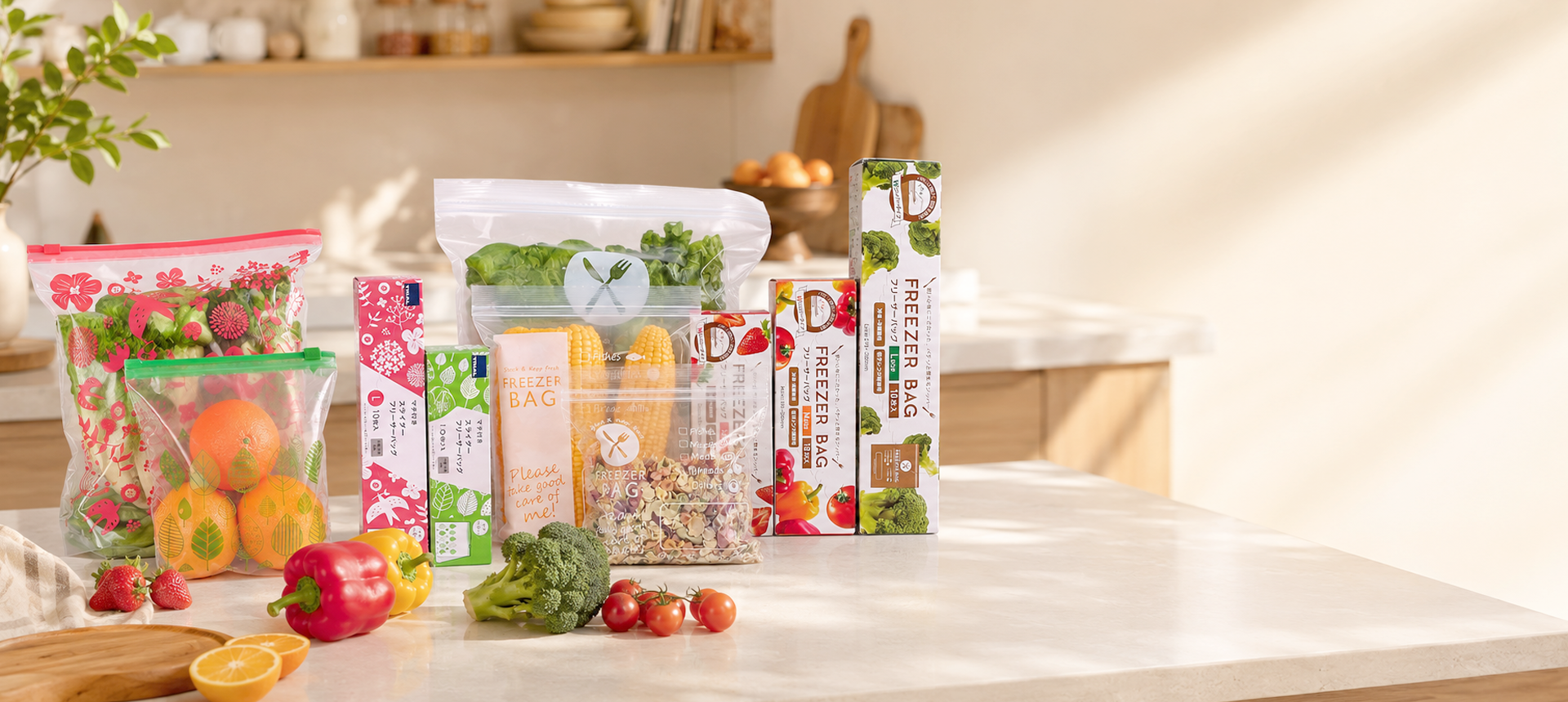
Sub-zero temperatures create unique challenges for food producers and packaging managers. Cold storage environments can make standard plastic pouches brittle, leading to micro-cracks, seal failures, and severe freezer burn. Because of these risks, choosing the right material layers, seal closures, and protective barriers for frozen food packaging bags is crucial.
As an experienced custom zipper bag manufacturer, Haida works with global food brands to produce durable, high-barrierOEM food packaging bags. In this practical guide, we break down how to select flexible films, secure zipper closures, and specialized barrier protection to keep your food products fresh throughout the cold chain.
Why Cold Storage Demands Specialized Packaging Materials
Freezer environments are tough on flexible packaging. Standard plastics that perform well at room temperature often fail when frozen. When food products freeze, moisture turns to ice and expands, putting sharp edges and internal pressure against the pouch walls. At the same time, ambient freezer air actively draws moisture out of unprotected food, which causes discoloration, flavor loss, and freezer burn.
To prevent these issues, frozen packaging must achieve three main goals:
-
Flexibility at Low Temperatures: Materials must resist cracking when handled or stacked at sub-zero temperatures.
-
Puncture and Tear Resistance: Sub-zero storage requires tough outer layers that withstand sharp bones, icy food edges, and shipping vibration.
-
Airtight Moisture Barriers: Pouches must lock in natural product moisture while blocking outside oxygen and odors.
Selecting the Right Film Structure for Frozen Foods
Flexible packaging relies on laminated multi-layer films. Each film layer serves a specific purpose, combining strength, barrier performance, and printability into one cohesive pouch.
1. Outer Substrates for Strength and Visual Appeal
The exterior layer protects the package against external scuffs and holds printed graphics. Common outer materials include:
-
Biaxially Oriented Polyethylene Terephthalate (BOPET): Provides excellent clarity, high tensile strength, and superior print quality for retail shelf appeal.
-
Biaxially Oriented Polyamide (BOPA/Nylon): Offers exceptional cold-temperature impact resistance and puncture protection, making it ideal for sharp items like frozen bone-in meats or crab legs.
2. Inner Sealing Layers for Structural Integrity
The innermost layer comes into direct contact with the food product and seals the bag shut under heat. For sub-zero applications, linear low-density polyethylene (LLDPE) is the industry standard. Formulated LLDPE resins remain pliable down to sub-zero temperatures, ensuring high seal strength and preventing pouch rupture during transit.
Choosing the Best Barrier Layers to Prevent Freezer Burn
Oxygen and moisture vapor are the primary causes of quality loss in frozen storage. Adding dedicated barrier materials to your film structure extends product shelf life significantly.
EVOH (Ethylene Vinyl Alcohol)
EVOH is a thin, clear barrier resin laminated inside film layers. It offers outstanding oxygen barrier performance without sacrificing pouch clarity. This makes EVOH popular for clear product windows, allowing consumers to inspect frozen berries, dumplings, or vegetables before purchase.
Aluminum Foil and Metallized Films
For high-fat products like frozen oily fish or processed meats, light and oxygen protection are essential to stop fat oxidation. Aluminum foil laminates provide a total barrier against light, oxygen, and moisture. Alternatively, metallized PET (VMPET) offers strong barrier protection at a lighter weight, making it a cost-effective option for seafood freezer bags wholesale buyers.
Selecting Secure Zipper Closures for Cold Environments
A reliable reclosable feature adds convenience for consumers who use portions of frozen food over time. However, standard zippers can become stiff or fail to track properly in cold conditions.
-
Freezer-Grade Zipper Tracks: Specially formulated PE zippers maintain flexibility in low temperatures, making them easy to open and snap shut repeatedly without cracking.
-
Double Seal Closures: For heavy items or wet frozen products, meat packaging zipper bags equipped with double seal tracks offer two layers of security. Double seals prevent accidental leaks as food thaws and protect against ice crystal buildup inside the track.
-
Press-to-Close and Ergonomic Slides: Easy-grip zipper profiles help consumers open pouches smoothly, even when wearing gloves or handling cold packaging.
Best Practices for Sourcing Custom Frozen Packaging
When specifying frozen packaging solutions for mass production, keep these operational guidelines in mind:
-
Match Film Thickness to Product Weight: Heavy or sharp products require thicker gauge films (such as 4 mil to 6 mil structures) to prevent drop damage.
-
Verify Seal Window Tolerances: Ensure your packaging supplier formulates sealing layers that provide broad heat-sealing windows for stable, high-speed automated filling lines.
-
Test Under Real Storage Conditions: Always conduct real-world cold room freeze tests to evaluate pouch flex-crack resistance and zipper performance before full-scale rollouts.
Protect Your Brand with Advanced Cold-Chain Packaging from Haida
Choosing the right film structure, barrier layers, and zipper seals ensures your frozen food products maintain their original taste, texture, and appearance. At Haida, we manufacture custom-engineered OEM food packaging bags designed specifically to endure rigorous cold storage environments. From clear barrier pouches to heavy-duty meat packaging zipper bags, our team delivers secure packaging solutions built to perform.
Contact Haida today to request samples, discuss custom specifications, and receive a competitive quote for your frozen packaging requirements!


