How to Test Zipper Bag Leak Resistance and Seal Strength
News Details
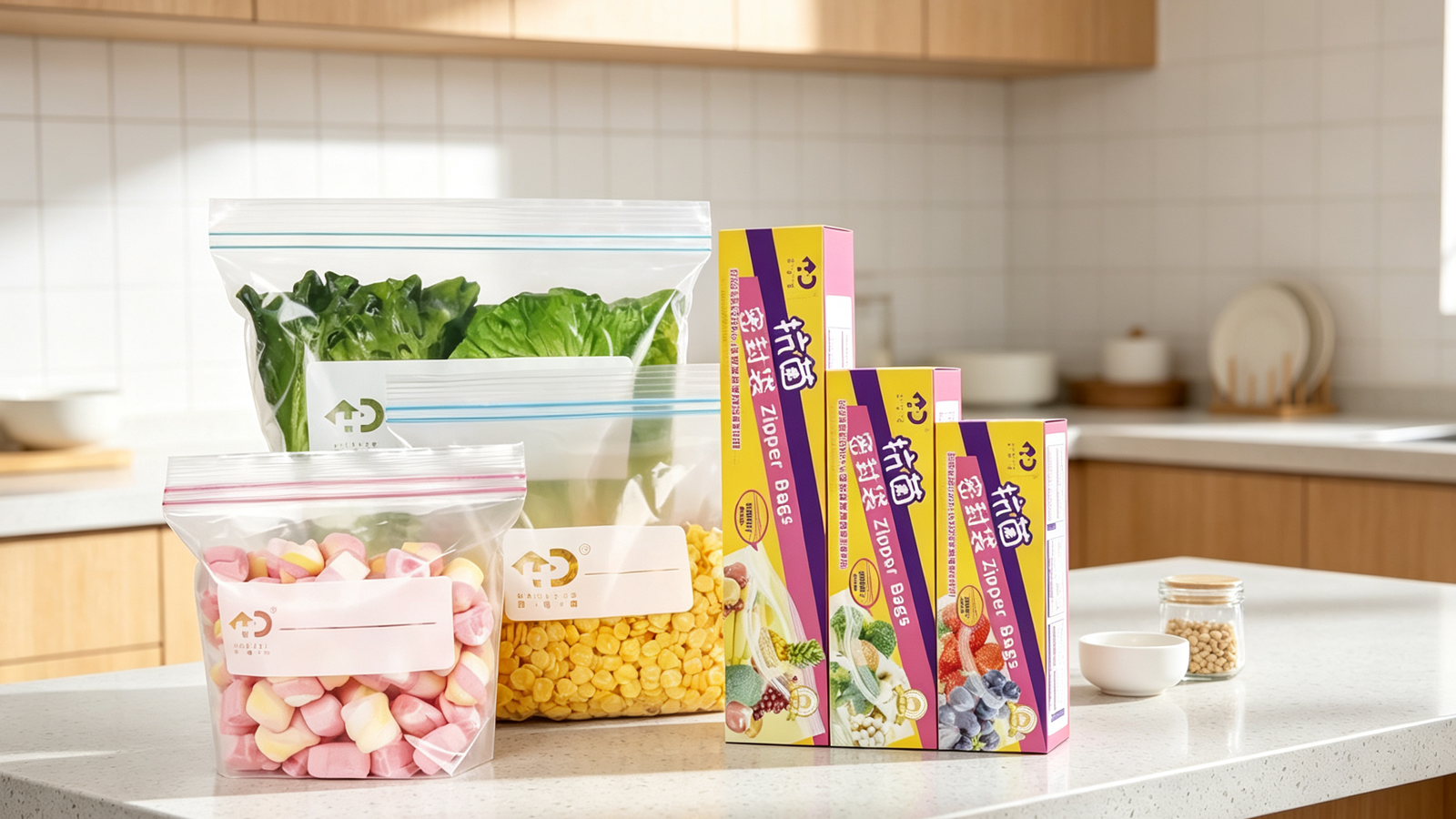
Packaging plays a vital role in protecting food products during storage and shipping. For food manufacturers and brands, a weak seal or a hidden leak can cause food spoilage, customer complaints, and costly product recalls. Therefore, testing zipper bag leak resistance and seal strength is a critical step in quality control.
As a trustedcustom zipper bag manufacturer, Haida helps businesses deliver reliable, high-performance OEM food packaging bags to global markets. In this guide, we will explain why testing matters, how to test seal strength, and how to verify leak resistance so your products stay fresh and secure.
Why Seal Strength and Leak Resistance Matter for Food Bags
Food packaging must withstand dynamic pressure, temperature changes, and rough handling during transit. If a seal fails, oxygen and moisture enter the pouch, which degrades food quality rapidly.
Strong seals and leak-proof closures offer several key advantages:
-
Extended Shelf Life: Proper seals keep air out and lock freshness inside.
-
Product Integrity: High seal strength prevents pouches from bursting under pressure.
-
Brand Reputation: Defect-free packaging builds trust with retail buyers and consumers.
Using advanced options like double seal food bags offers extra protection for liquids, powders, and perishable goods. However, even the best designs must undergo rigorous testing to ensure consistent quality.
How to Test Zipper Closure Seal Strength
Seal strength measures the force required to pull a heat seal apart. Testing ensures that the bag seams and zipper tracks can withstand internal pressure and external handling force.
1. Tensile Seal Strength Testing
Tensile testing measures the mechanical strength of the heat seal. A specialized machine pulls a strip of the sealed material apart at a constant speed until it separates or breaks.
-
Preparation: Cut a standard sample strip across the sealed area, including the zipper track.
-
Procedure: Clamp both ends of the sample into the testing machine. The machine pulls the material apart and records the maximum force needed to break the seal.
-
Evaluation: High-quality flexible packaging must reach specific strength standards to pass factory quality checks.
2. Burst Pressure Testing
Burst testing evaluates how much internal pressure a sealed pouch can handle before it bursts. This test is crucial for bags filled with gas, liquids, or heavy contents.
-
Procedure: Air is injected into the closed pouch through a needle attachment until the seal opens or the bag ruptures.
-
Evaluation: This test identifies weak spots along the perimeter seals and checks the hold of the zipper closure seal strength.
How to Conduct a Zipper Bag Leak Test
While seal strength measures mechanical force, leak testing detects tiny pinholes, channel leaks, or gaps in the zipper track that could compromise airtightness.
1. Bubble Emission Method (Underwater Dip Test)
The bubble emission method is a quick and effective zipper bag leak test used in routine quality control.
-
Procedure: Submerge the sealed bag in a water chamber. Apply pressure internally or create a vacuum in the chamber above the water level.
-
Evaluation: A continuous stream of bubbles reveals tiny leaks along the heat seal or zipper tracks.
2. Dye Penetration Test
Dye penetration testing is ideal for detecting microscopic channels along sealed edges.
-
Procedure: Inject a liquid dye solution into the bag along the sealed seam. Position the bag so the liquid rests against the test area.
-
Evaluation: If dye leaks through the seam within a set time frame, the seal is defective.
3. Air Decay Testing
Air decay testing provides precise, quantitative leak detection without damaging the pouch.
-
Procedure: Pressurize the bag with air and measure pressure changes over time.
-
Evaluation: Any drop in pressure indicates a micro-leak, making this method ideal for high-speed automated production lines.
Best Practices for Maintaining Seal Integrity in Mass Production
To ensure your flexible packaging meets strict industry standards, implement these steps in your production process:
-
Optimize Heat Sealing Parameters: Set precise temperature, dwell time, and pressure settings during the sealing process.
-
Choose Double Seal Designs: For sensitive or heavy items, double seal food bags provide an extra barrier against accidental opening and leaks.
-
Partner with an Experienced Supplier: Work with a reliable custom zipper bag manufacturer who conducts strict quality testing at every stage.
Partner withHaida for Reliable Food Packaging
Quality testing ensures your flexible packaging performs flawlessly from the factory floor to the store shelf. At Haida, we specialize in manufacturing high-barrier OEM food packaging bags tailored to your exact specifications. From custom sizes and multi-layer materials to advance double-zipper closures, we deliver secure packaging solutions that protect your brand.
Contact Haida today to discuss your custom packaging requirements and request sample bags for seal testing!


