Compostable Zipper Bags vs PE Bags: A Practical Comparison for Food Brands
News Details
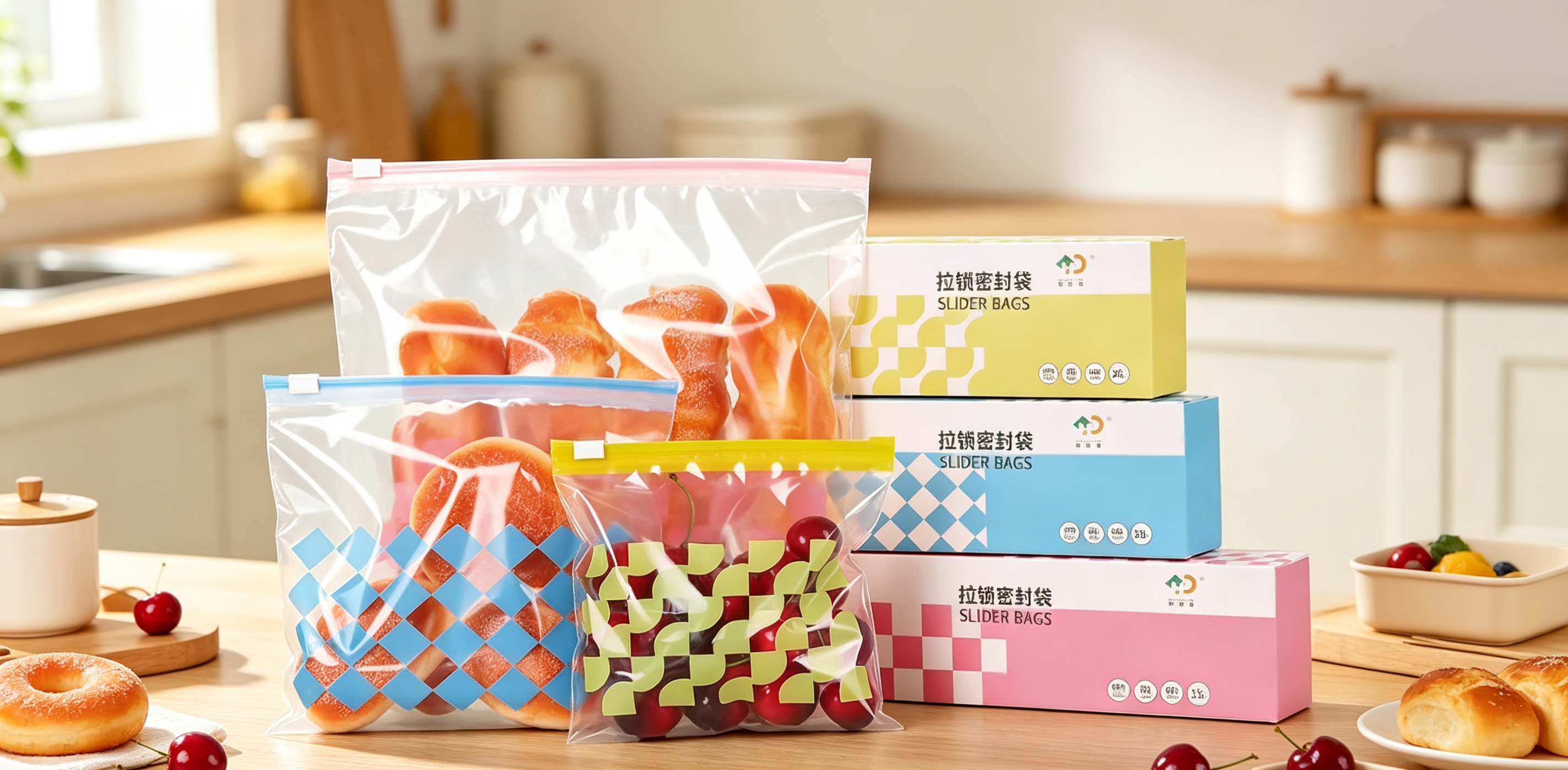
Choosing the right packaging material is one of the most important decisions for a growing food brand. Modern consumers want eco-friendly options, but food products still need strong barrier protection, dependable seals, and a long shelf life. Because of these competing demands, many business owners find themselves comparing plant-based compostable films directly against traditional polyethylene films.
Evaluating compostablezipper bags vs PE options requires looking closely at real-world factors rather than relying on surface-level marketing promises. Both materials offer distinct advantages depending on your specific distribution channels, storage requirements, and sustainability goals.
This guide provides a practical comparison between industrial compostable zipper pouches and recyclable PE bags to help food brands make smart sourcing decisions with a trusted custom zipper bag manufacturer like Haida Pack.
1. Material Composition and Sustainability Profiles
Understanding how these materials are made is the first step toward choosing the right solution for your product line.
Compostable zipper bags are typically crafted from bio-based polymers such as PLA (polylactic acid), PBAT, or certified cellulose films. These materials break down into natural organic matter, water, and carbon dioxide when placed in controlled industrial composting environments. Because they leave no toxic microplastics behind, they represent a forward-thinking choice for brands aiming for zero-waste certification.
On the other hand, traditional and recyclable polyethylene bags rely on petroleum or bio-PE resins. While PE does not break down organically in soil, high-density and low-density PE films fit seamlessly into existing store drop-off and municipal recycling streams. Selecting mono-material PE structures allows food companies to adopt recyclable flexible food packaging without changing their entire supply chain infrastructure.
2. Barrier Performance and Food Shelf Life
Food safety is non-negotiable. Your packaging must protect dry snacks, frozen foods, or coffee from oxygen, moisture, and light.
Traditional PE films excel at blocking moisture and humidity. When engineered as mono-material structures or multi-layer laminates, PE maintains tight seals and keeps dry ingredients crisp for extended periods. Furthermore, PE stays stable across wide temperature ranges, making it ideal for deep-freeze storage and long shipping routes.
Compostable films have improved significantly in recent years, but they naturally absorb moisture faster than conventional plastics. While high-barrier bio-films work exceptionally well for short shelf-life items, dry snacks, and specialty organic foods, they may not suit products requiring a multi-year shelf life in high-humidity regions.
| Performance Metric | Certified Compostable Zipper Bags | Recyclable PE Bags |
| Primary Material Base | Bio-polymers (PLA, PBAT, Cellophane) | Polyethylene Resins (LDPE, HDPE, Bio-PE) |
| End-of-Life Stream | Industrial Composting Facilities | Store Drop-off & Plastic Recycling Streams |
| Moisture Barrier Protection | Moderate to Good (Best for short/medium shelf life) | Exceptional (Ideal for long-term dry/frozen storage) |
| Oxygen Barrier Capability | Good (Improves with specialized plant-based coatings) | Excellent (Customizable via mono-material lamination) |
| Supply Chain Unit Cost | Premium Investment | Highly Cost-Effective |
3. Cost Analysis and Minimum Order Quantities
Budget considerations play a major role when scaling up production with an OEM food packaging bags supplier.
Producing compostable resins involves complex bio-refining processes, which makes raw bio-materials more expensive than standard plastic resins. Consequently, finished compostable pouches carry a premium unit price. Additionally, because bio-films have a limited raw shelf life before conversion, manufacturers often set higher minimum order quantities for custom runs.
Polyethylene remains one of the most cost-effective packaging materials in the world. High production efficiency, wide material availability, and mature processing equipment allow manufacturers to offer lower unit costs and flexible order volumes. For high-volume brands operating on tight margins, PE provides reliable sustainable packaging performance at an accessible price point.
4. Consumer Disposal and Local Infrastructure Realities
A truly eco-friendly package relies heavily on local waste management capabilities. Brands must consider where their target customers live and how those communities handle waste.
Industrial composting facilities can process bio-zippers and certified compostable films efficiently, turning them into nutrient-rich soil within 90 to 180 days. However, access to curbside industrial composting collection varies greatly across different regions. If a compostable pouch ends up in a standard landfill or a traditional plastic recycling bin, its environmental benefits are severely reduced.
Conversely, clear PE bags and all-PE stand-up pouches fit well into established plastic recycling programs. Many grocery stores and retail chains now feature dedicated drop-off bins for flexible PE wrap and bags. Educating your customers on proper clean-and-dry drop-off habits ensures that your PE packaging stays within a circular economy loop.
5. How to Select the Right OEM Packaging Partner
Whether you choose compostable bio-films or recyclable mono-PE films, partnering with an experienced manufacturer ensures your packaging meets strict regulatory and functional standards.
An established supplier likeHaida works closely with food brands to customize film structures, zipper closures, and surface finishes. When evaluating potential manufacturing partners, ensure they offer comprehensive OEM services:
-
Custom Barrier Engineering: Tailoring moisture and oxygen transmission rates specifically to your food product’s shelf life requirements.
-
Certified Food-Grade Resins: Confirming full compliance with FDA and EU food contact safety regulations.
-
Advanced Zipper Solutions: Integrating durable, easy-open reclosable zippers that keep food fresh after opening.
-
High-Definition Custom Printing: Using safe, water-based inks to highlight your brand identity on retail shelves.
Making the Final Decision for Your Brand
Selecting between compostable and PE packaging ultimately comes down to your brand positioning, product shelf-life requirements, and budget constraints.
If your brand sells organic, short-shelf-life goods to eco-conscious shoppers in cities with robust industrial composting infrastructure, compostable zipper pouches provide a powerful brand narrative.
If your priority is long-term moisture protection, lower production costs, and broad recycling accessibility, high-performance PE bags offer an ideal balance of durability and sustainability.
Working alongside an expert partner like Haida Pack allows you to test both options, optimize your package design, and launch safe, high-quality food packaging that drives retail success.


