Zipper Bag Selection Guide for B2B Buyers: Closures, Films and Compliance
Zipper bag purchasing guide: compare slider, single and double zip closures, laminated and food bag options, and the documents to verify before ordering.
2026/11/17
Reading volume: 0
News Details
A zipper bag is a flexible package with an interlocking closure that can be opened and resealed without tape or heat sealing. For international buyers, the term covers several distinct formats, and the right choice depends on how often the pack is reopened, what it contains and which documents the destination market expects. This guide explains those choices in practical terms and sets out what to verify before an order is placed. Taizhou Haida Plastic Packaging Co., Ltd., founded in July 2003, manufactures self-sealing and zipper bag series for food and pharmaceutical applications; its production background is described below where it is relevant to buyer due diligence.
| Closure | Typical fit | Check before ordering |
| Single press-to-close track | Dry goods, small parts, portion packs | Seal consistency at the intended fill weight |
| Double track | Moist foods, liquids, aroma-sensitive contents | Track alignment and leakage testing |
| Slider | Frequent reopening, one-handed use, retail sets | Slider travel and sealing reliability |
Slider Bags: When One-Handed Access Matters
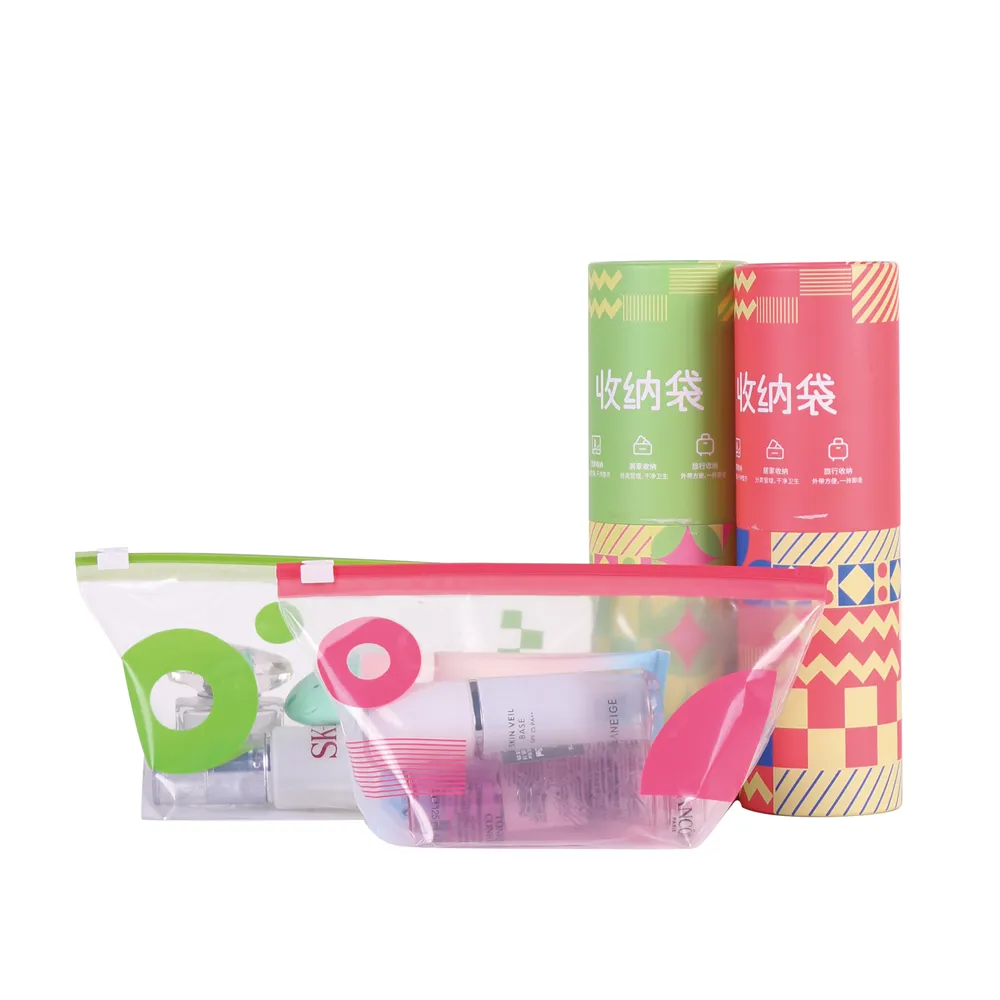
A slider bag uses a small plastic tab that travels along the closure track to open and close the pack. It replaces the two-handed pressing motion of a standard press-to-close bag, which helps when staff handle many packs per shift. Buyers commonly specify it for frequently reopened food portions, travel accessories and retail sets. The trade-off is a more complex closure: the slider is a moving part, so samples should be checked for smooth travel and sealing reliability before a bulk order. Reuse is a design intent, not a guaranteed cycle count, unless the supplier provides test evidence.
Double Zipper Bags: Extra Security for Moisture-Sensitive Contents
A double zipper bag adds a second interlocking track above the first. The extra track reduces the chance that a pack pops open in transit and suits liquids, moist foods and aroma-sensitive products. It does not make the bag leak-proof in every orientation; contents and filling method still decide whether two tracks are enough. Two tracks must also stay aligned during bag making, which can affect setup on manual lines. Buyers comparing quotes should ask how alignment is checked and what sealing tests are run before shipment, rather than relying on the word “double” alone.
Single Zipper Bags: The Standard Workhorse
A single zipper bag has one press-to-close track and remains the common format for dry foods, small parts, apparel accessories and portion packs. It is simple to run on high-volume lines and easy for consumers to use, so it is often the baseline quote in a tender. If contents are dry and the pack is opened only a few times, a second track or slider may add cost without clear benefit. Where leakage is the main risk, compare it with a double-track version using the actual product.
Laminated Bags: Barrier and Print Considerations
A laminated bag combines two or more film layers so each contributes a property the others do not, such as printability outside and sealing performance inside. The useful question is not how many layers a supplier lists but whether the finished structure has been tested for the intended contents and storage conditions. State light, oxygen and moisture sensitivity in the enquiry, along with the printing method and shelf-life requirement. Haida's facility includes blown-film, printing and bag-making equipment, but an equipment list is not a structure-specific declaration. Ask which film construction is proposed and request documentation for it before approval.
Food Bags: What “Food Grade” Should Mean in Documentation
A food bag is expected to protect its contents and to come with evidence that food-contact materials are suitable for that use. “Food grade” is a claim, not a document. Request current certificates and declarations that name the facility and product scope, then check that they cover the film, ink and adhesive actually used. Haida reports food- and pharmaceutical-grade self-sealing and zipper bag production in workshops designed to GMP principles, with annual capacity of 20,000 tonnes and reported turnover of USD 60 million. The company lists ISO9001, ISO14001, ISO22716, ISO13485, BRC, BRC-CP, BSCI, Nordic Swan, GMPc, FDA, EPA, Disney and Hello Kitty among its certifications and authorizations. Confirm the current version and scope of each document; this page reports the company's published information, not independent verification of every certificate.
Slider Zipper Bags: Reuse and Retail Presentation
Slider zipper bags use the same closure family, but the phrase often implies a repeat-use retail item rather than a production convenience. In that role, frosted film, a hanging hole or a write-on panel can matter as much as the slider itself; these are options to discuss, not standard features of every bag. Reusable packaging can reduce single-use handling, but any environmental claim should be tied to actual uses and local disposal conditions. For a retail programme, request a sample with the intended print and display method, because a closure that feels smooth when empty can behave differently once filled.
Ziplock Bags: Press-to-Close Terminology Explained
“Ziplock bag” is common buyer shorthand for a press-to-close resealable bag, even though the interlocking profile is the functional part. Clarifying the term early avoids a quote mismatch: a supplier may interpret it as a standard single-track bag while the buyer had a slider or double-track closure in mind. When issuing an enquiry, name the closure, film, size and thickness separately instead of relying on one umbrella word. That makes quotations comparable, since each supplier can price the same specification rather than substituting a similar-looking format.
Colored Zipper Bags: Appearance, Coding and Print Options
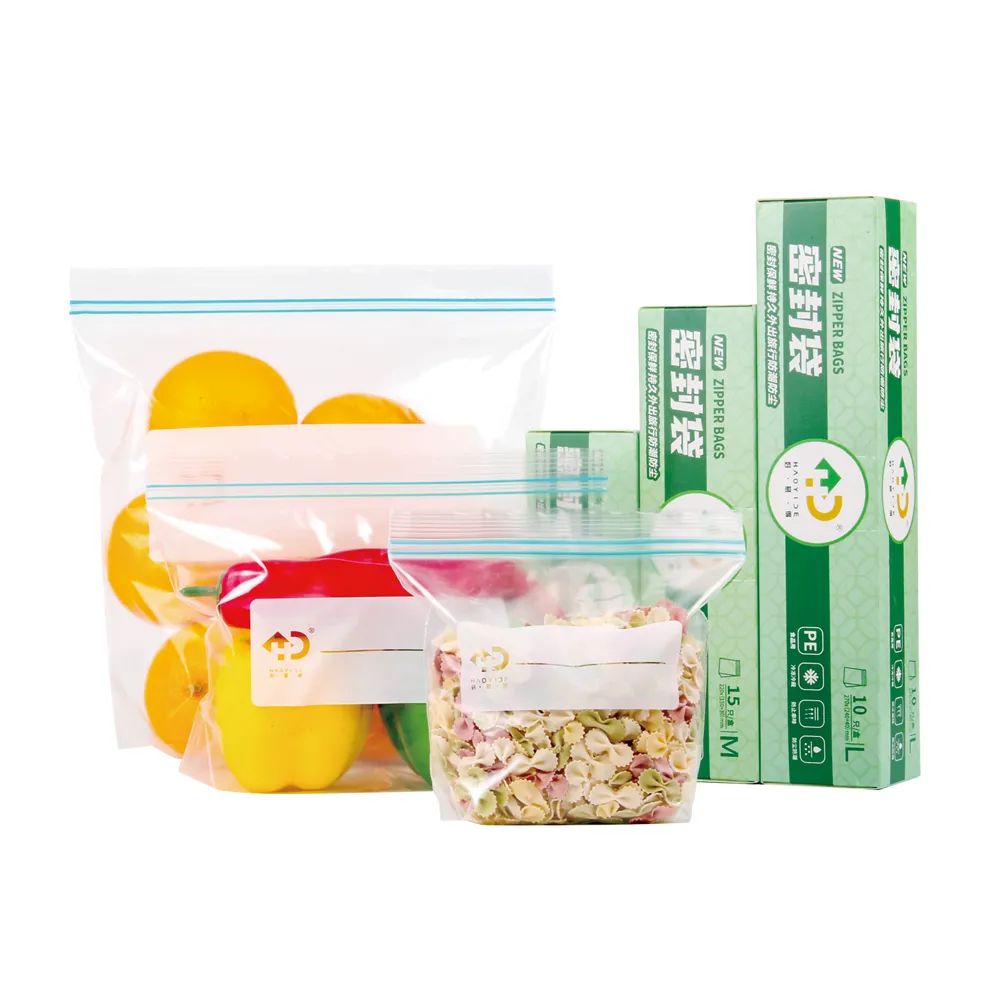
Colored zipper bags help buyers separate product lines, signal contents or match a retail colour scheme. Clear and frosted films remain common, and colour can come from tinted film or printing. Practical limits depend on the supplier's film inventory, printing capability and minimum quantities, so colour is a specification to confirm rather than a promise. Colour coding helps in warehouses where staff pick by sight, but it should not replace readable product identification; keep essential text legible and check how colours look under store lighting.
A Practical Specification Checklist
Before requesting a quote, fix four things: closure type, film structure, contents and reopening frequency. Add the destination market and the documents needed for food contact, then ask for samples of the exact structure and a short description of pre-shipment tests. For a supplier comparison, keep the same specification across every quotation; that is the only reliable way to judge whether a lower unit price also carries less documentation or quality control. A zipper bag is a small component, but it sits directly against the product and the end user, so it deserves the same attention as the product itself.
Share to:


