How to Evaluate Recyclable Packaging Claims for PE Zipper Bags
News Details
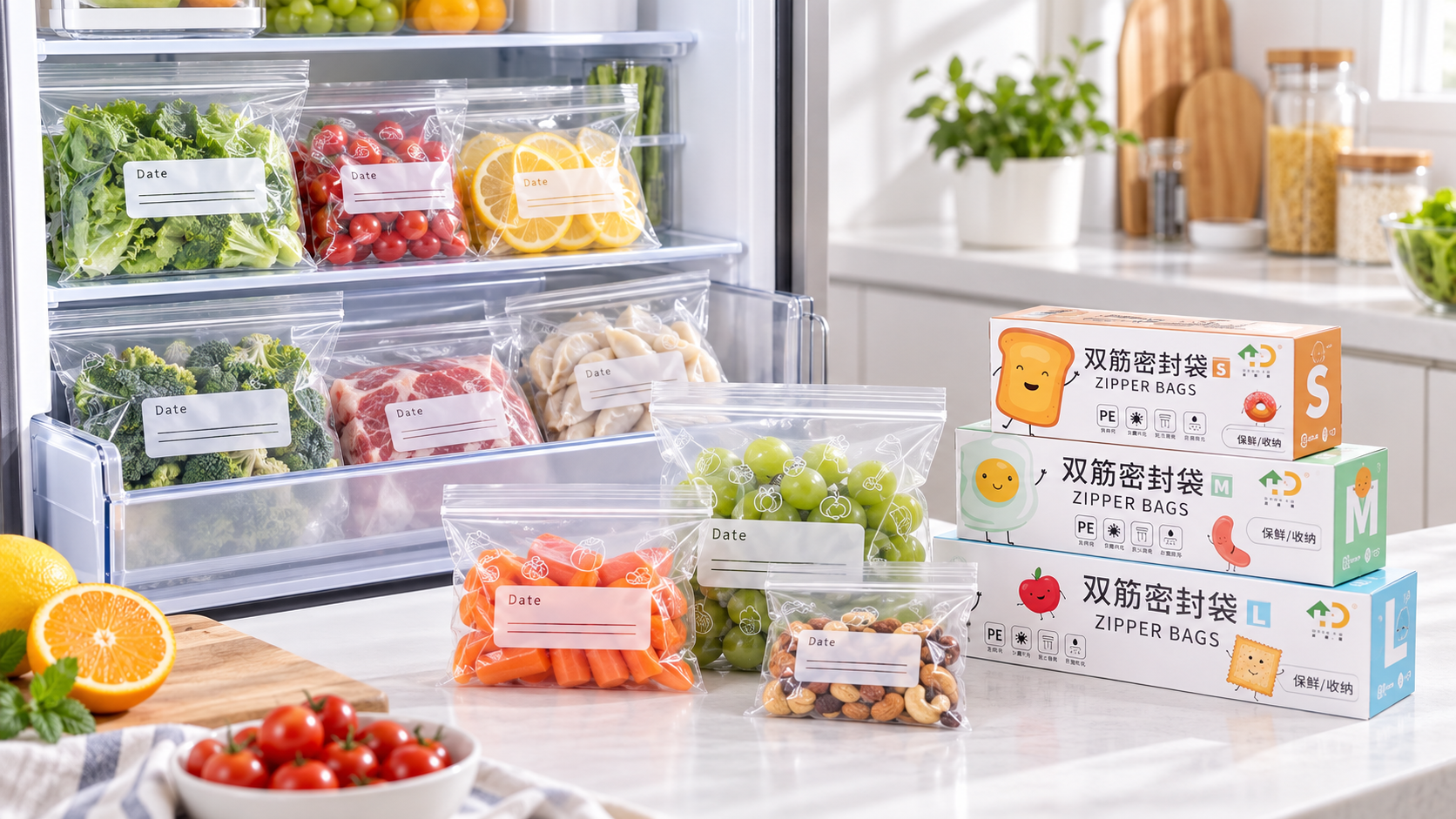
Recyclable packaging is now a key buying factor for food brands, retailers, and private-label teams. However, not every “recyclable” claim means the same thing. For PE zipper bags, the real answer depends on the material, zipper, ink, label, size, and local recycling system.
That is why B2B buyers should look beyond a simple claim. Instead, they should ask how the bag is designed, tested, and documented. This helps reduce risk and makes supplier approval easier.
What Does “Recyclable” Mean for PE Zipper Bags?
A recyclable claim means the package can enter a recycling stream and be turned into useful material again. Yet, this only works when the package is collected, sorted, processed, and accepted by the local recycling market.
For recyclable PE zipper bags, the main material is usually polyethylene, also called PE. PE is widely used for freezer bags, food storage bags, and resealable packaging because it is light, strong, and flexible.
Still, a PE bag is not recyclable by material name alone. The full design must support recycling. For example, the film, zipper, color, ink, adhesive, and extra parts should not block sorting or reduce the quality of recycled PE.
Why Mono-Material PE Matters
Mono-material PE means the main film and key parts are made from the same material family. In simple terms, the bag is designed to stay in the PE recycling stream.
This matters because mixed materials are harder to recycle. A pouch made with PET, aluminum foil, nylon, or other barrier layers may perform well for shelf life, but it can be harder to recycle with PE film.
By contrast, mono-material PE can make recycling more practical when the product does not need high-barrier layers. For many dry goods, frozen foods, snacks, household items, and non-liquid products, it may be a good option.
However, buyers should still check the real use case. If the product needs strong oxygen, aroma, grease, or puncture protection, the structure may need extra review. In that case, the goal is to balance product protection with plastic packaging recyclability design.
Key Questions to Ask Suppliers
Before accepting a recyclable claim, ask clear questions. This keeps the discussion factual and helps avoid vague promises.
Ask your supplier:
Is the bag made from mono-material PE?
Is the zipper also PE or compatible with PE recycling?
Are labels, stickers, handles, or sliders included?
What inks and coatings are used?
Does the bag contain barrier layers such as PET, nylon, EVOH, or foil?
Has the structure been reviewed against recycling design guidance?
Is there a test report or design statement to support the claim?
Which market or recycling system does the claim apply to?
These questions are useful because recyclability is not only about the film. It is about the full package.
Check the Zipper and Closure System
The zipper is a small part, but it can affect the claim. For press-to-close zipper bags, buyers should confirm whether the zipper is PE or compatible with PE recycling.
Slider zipper bags need even closer review. A slider may be made from a different plastic or may add weight and complexity. This does not always make the bag unacceptable, but it should be checked before making a claim.
In addition, the closure must still work well. A recyclable bag that fails in use can create more waste. Therefore, sealing strength, leak resistance, freezer performance, and user experience still matter.
Review Printing, Color, and Labels
Printing can also affect recyclability. Heavy ink coverage, dark colors, metallic inks, and certain coatings may reduce recycled material quality. Labels and adhesives can create the same issue.
For this reason, many buyers choose lighter print coverage, clear or light films, and simple designs. These choices can support better sorting and recycling results.
Even so, brand needs matter too. Retail packaging must still look clean and professional. The best result is often a balanced design: clear branding, controlled ink use, and a PE-friendly structure.
Match the Claim to the Market
Recycling rules and collection systems vary by country, region, and retailer. So, a recyclable claim that works in one market may not work in another.
For example, some markets accept flexible PE film through store drop-off or special collection programs. Other markets may not collect flexible film at scale. Because of this, buyers should avoid broad claims unless they have support for the target market.
A better claim is specific. It should explain the package type, material, and market basis. This is especially important for export packaging, private label, and multinational retail projects.
Ask for Documents, Not Just Words
A strong recyclable claim should come with documents. These may include a material declaration, product specification, structure drawing, resin data, test report, or third-party review.
For B2B projects, these documents help quality, purchasing, and compliance teams make faster decisions. They also help protect the brand if a retailer, regulator, or customer asks for proof.
If the supplier changes resin, film thickness, zipper type, ink, or printing process, the claim should be reviewed again. Small changes can affect the final result.
How Haida Supports Recyclable PE Zipper Bag Projects
Haida manufactures food-grade PE zipper bags, freezer bags, slider bags, and custom flexible packaging for wholesale and OEM buyers. For buyers who need recyclable PE zipper bags, Haida can help review material choices, bag structure, zipper style, thickness, printing needs, and use conditions.
This early review is useful because the best packaging decision is not made at the end of production. It starts with product needs, shelf life, filling process, storage temperature, and target market.
By aligning these details early, buyers can reduce redesign work, control cost, and build a clearer packaging file.
A Practical Buyer Checklist
Before approving a recyclable PE zipper bag, use this checklist:
Confirm the main material is PE.
Check whether the bag uses mono-material PE.
Review the zipper, slider, label, ink, and coating.
Make sure the structure fits the product’s protection needs.
Ask which recycling stream the claim supports.
Check whether the claim fits the target market.
Request documents to support the claim.
Set a process for material change control.
This simple process helps buyers move from a marketing claim to a practical packaging decision.
Final Thoughts
Recyclable packaging claims should be clear, specific, and supported by facts. For PE zipper bags, the best starting point is often mono-material PE, simple design, compatible closures, and controlled printing.
Still, recyclability depends on more than the word “PE.” It depends on the full package and the recycling system in the target market.
For B2B buyers, the smart path is simple: ask for the structure, check the details, review the documents, and work with a supplier that understands both packaging performance and plastic packaging recyclability design.


