Food Packaging Migration Testing: What the Test Report Does and Does Not Prove
News Details
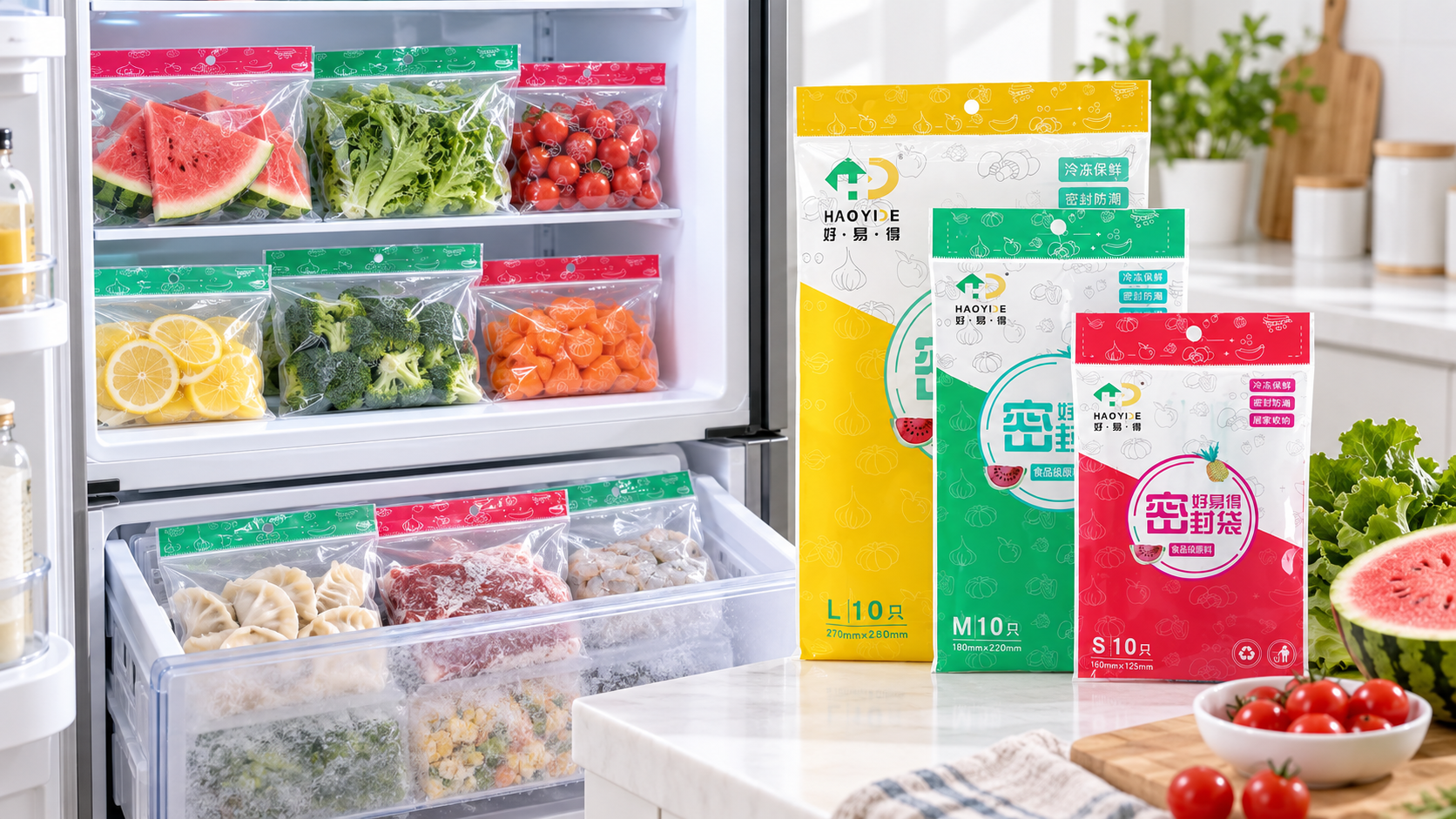
For food brands, retailers, and packaging buyers, safety is not a vague promise. It must be checked, recorded, and reviewed. That is why food packaging migration testing is a key part of supplier approval.
However, a test report is often misunderstood. It is useful, but it is not a magic pass for every market, food type, or future order. So, before you use one report to support EU food contact packaging compliance or FDA food contact review, it helps to know what the report really says.
What IsFood Packaging Migration Testing?
Food packaging migration testing checks whether substances from packaging can move into food or food-like test liquids. These substances may come from resin, additives, inks, adhesives, coatings, or layers in the film.
For flexible food packaging, such as zipper bags, freezer bags, stand-up pouches, and laminated bags, testing often focuses on two areas:
Overall migration: the total amount of non-volatile substances released from the material.
Specific migration: the amount of a named substance that may move from the package into food.
In the EU, plastic food contact materials are commonly reviewed under Regulation (EU) No. 10/2011, which sets rules for migration limits and test conditions. In the U.S., FDA food contact review looks at whether a food contact substance is safe for its intended use, including possible migration and exposure.
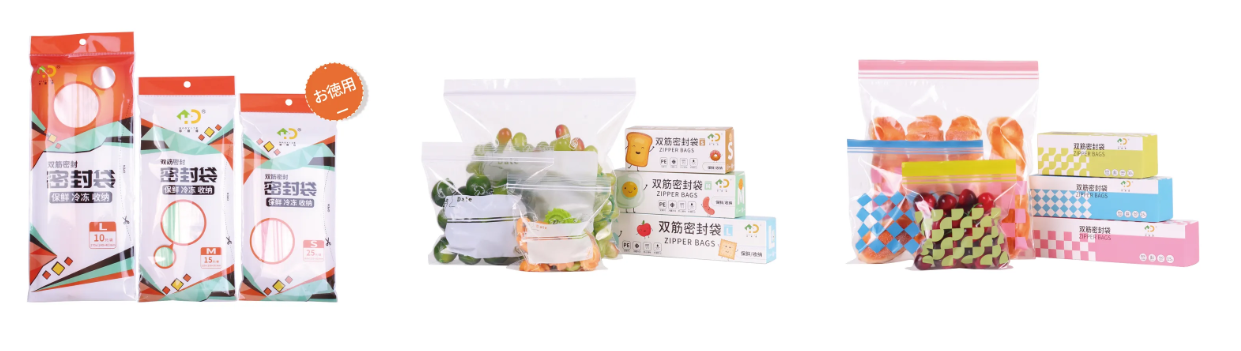
What a Migration Test Report Can Prove
A valid report can show that the tested sample met the listed test limits under the stated conditions. This is the core value of the document.
For example, the report may prove that a food storage bag, film, or pouch sample passed a certain overall migration limit when tested with a defined food simulant, time, and temperature. It may also show that certain restricted substances were below specific migration limits.
In short, the report can support these points:
The tested material was checked by a lab.
The test followed named methods or standards.
The sample met the limits shown in the report.
The tested use condition was suitable for the stated food type, time, and temperature.
The result can support customer audits, supplier files, and market entry checks.
For buyers, this gives a clear starting point. It helps purchasing, quality, and compliance teams compare suppliers with more confidence.
What a Migration Test Report Does Not Prove
Even so, a migration test report has limits. It does not prove that every product from every batch is always compliant. It also does not prove that the package is suitable for all foods, all temperatures, or all storage times.
For example, a report for frozen food storage may not support microwave heating. A report for dry food may not support oily food. Also, a report for one film structure may not cover a new laminate, ink, zipper, slider, or adhesive.
A test report also does not replace full compliance work. For EU food contact packaging compliance, buyers may still need a Declaration of Compliance, raw material data, risk assessment, supporting documents, and traceability records. For FDA food contact review, brands may need to confirm that the substances and intended use are covered by the right regulation, clearance, notification, or exemption.
Therefore, the report is strong evidence, but it is not the whole file.
Why Test Conditions Matter
Test conditions are the heart of the report. They decide what the result means.
A useful food packaging migration testing report should show:
The sample name and structure.
The food simulant used.
The contact time.
The contact temperature.
The surface area to volume ratio.
The test method.
The result and limit.
The conclusion.
These details matter because migration can change with heat, time, fat content, alcohol content, and acidity. As a result, the same package may perform well in one use but need extra review for another.
For example, a PE freezer bag used for fruit storage faces a different risk profile than a pouch used for hot filling or oily snacks. So, buyers should match the report to the real use of the package.
EU Food Contact Packaging Compliance: What Buyers Should Check
For EU food contact packaging compliance, buyers should look beyond a simple “pass” result.
First, check whether the material type is covered by the test. Plastic packaging should be assessed under the right EU food contact rules. Then, review whether the food simulants match the food category. Next, check whether time and temperature reflect the worst expected use.
Also, ask whether the supplier can provide supporting documents. A migration report is more useful when it is linked with material declarations, production traceability, and change control.
For custom packaging, this step is even more important. A new print, color, additive, laminate layer, or closure can change the compliance position. Therefore, any major material change should trigger a fresh review.
FDA Food Contact: What the Report Means for U.S. Buyers
For FDA food contact decisions, migration data is often part of the safety review. However, a lab report alone does not always prove that a material is cleared for the U.S. market.
Buyers should confirm the intended use. This includes the food type, contact time, temperature, and whether the package is single-use or repeated-use. They should also check whether the substances in the material are allowed for that use.
In practical terms, a migration report helps answer one question: how much may move from the package to food under the test conditions? But the wider FDA food contact question is broader: are the materials and intended use acceptable under U.S. food contact rules?
How Haida Supports Packaging Buyers
Haida manufactures food-grade zipper bags, freezer bags, slider bags, stand-up pouches, and other flexible packaging for food storage and retail use. With long experience in self-sealing and zipper bag production, Haida understands that B2B buyers need more than a good-looking bag. They need stable quality, clear documents, and packaging that fits the target market.
For custom projects, Haida can help buyers review the intended use early. This makes it easier to choose the right material structure, confirm test needs, and reduce delays before shipment.
In addition, clear communication helps avoid common mistakes. For instance, if the packaging will touch oily food, acidic food, frozen food, or heated food, that use should be shared before testing. Then the test plan can better match the real application.
Questions to Ask Before You Accept a Report
Before approving a packaging supplier, buyers should ask a few direct questions:
Does the report match the exact product or material structure?
Does it cover the right food type?
Does it cover the right time and temperature?
Is the report still current for the present formulation?
Were inks, adhesives, zippers, sliders, or labels included in the tested sample?
Can the supplier provide supporting compliance documents?
Is there a process for material change control?
These questions are simple, but they help protect your brand. They also make supplier approval faster and more reliable.
A Test Report Is Evidence, Not a Shortcut
Food packaging migration testing is one of the most useful tools in food contact packaging control. It helps show whether a tested package meets key limits under stated conditions.
Still, it should be read with care. A report proves what was tested, how it was tested, and whether that sample passed those limits. It does not prove every possible use, every future batch, or every market rule by itself.
For B2B buyers, the best approach is clear: match the report to the real use, check the full compliance file, and work with a packaging supplier that understands both production and documentation.


