Are Slider or Zipper Bags Better?
News Details
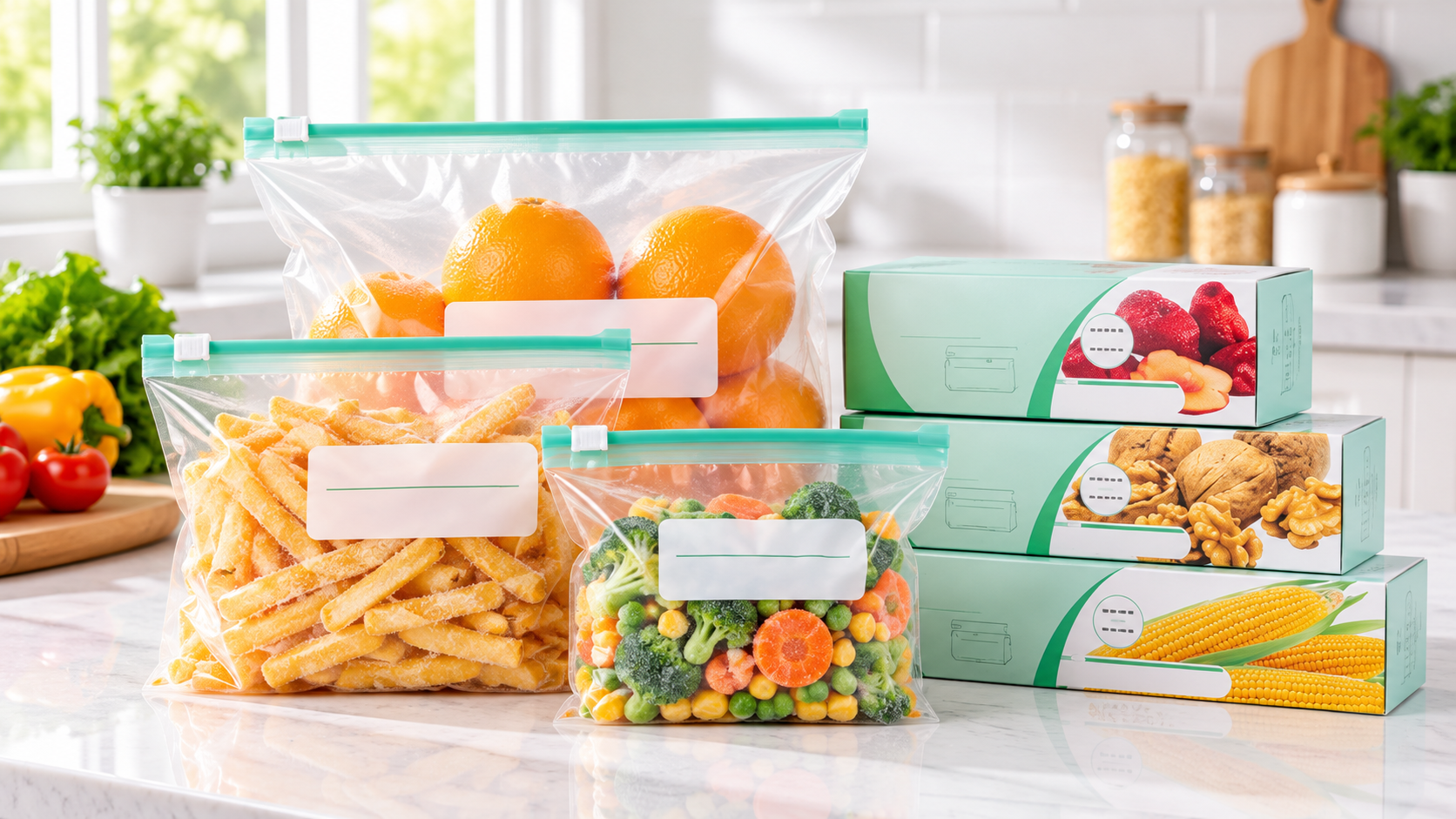
Slider bags and zip lock bags are both popular choices for food packaging. The better option depends on the food type, storage purpose, target market, and product price.
For B2B buyers, the key is to choose a bag that seals well, opens easily, protects food, and fits the sales channel. Haida produces food-grade zip lock bags, slider bags, freezer bags, and custom PE food storage bags for wholesale and OEM/ODM customers.
What Is a Zip Lock Bag?
A zip lock bag uses a press-to-close seal. Users press the two sealing strips together by hand to close the bag.
This type of bag is commonly used for snacks, fruit, vegetables, meat portions, dry food, meal prep, and household storage. A food storage zip lock bag is usually lightweight, simple, and cost-effective.
Many buyers choose zip lock bags because they are easy to pack, easy to ship, and suitable for many food categories. Double zip lock designs can also provide a stronger seal for freezer use and leak-resistant storage.
What Is a Slider Bag?
A slider bag has a small plastic slider that moves across the top seal. Instead of pressing the zipper by hand, users pull the slider from one side to the other.
Slider food storage bags are popular because they are easy to open and close. This makes them useful for family packs, daily kitchen use, meal prep, and retail products.
In addition, slider bags give users a clearer feeling that the bag is fully closed. This can improve the customer experience, especially for larger bags.
Which Bag Seals Better?
Both can seal well when made with good material and strong sealing strips.
A standard zip lock bag can offer a tight seal, especially when it uses a double zipper. This makes it a strong choice for meat, seafood, frozen fruit, vegetables, and prepared meals.
A slider bag is very convenient, but the closure design should be tested for the specific use. For dry food, snacks, produce, and short-term cold storage, it can work very well. For heavier freezer use, buyers should check film thickness, seal strength, and low-temperature performance.
So, zip lock bags often perform better for simple sealing strength and cost. Slider bags often perform better for convenience and ease of use.
Which Is Better for Frozen Food?
For freezer use, the bag must resist cold, moisture loss, and air entry. It should also stay flexible at low temperatures.
Slider bags for freezer use can be a good choice for short-term frozen storage and quick access. For example, they can work well for meal prep, vegetables, dumplings, fruit, and small frozen portions.
However, for longer freezer storage, a thicker double zip lock freezer bag may be better. It can help reduce freezer burn and protect food during transport and storage.
Before ordering, buyers should test the bag in real freezer conditions.
Which Is Easier for Customers to Use?
Slider bags are usually easier to use. The slider helps users close the bag quickly, even when their hands are wet or busy.
This is why slider food storage bags are popular for retail shelves, home kitchens, and family packs. They are also helpful for children and older users.
Zip lock bags are still easy to use, but the user must press the seal fully from edge to edge. If the bag is not closed well, air or liquid may enter.
Therefore, if user convenience is the main goal, slider bags are often the better choice.
Which Is More Cost-Effective?
Zip lock bags are usually more cost-effective. They use a simpler closure and are widely used in many food packaging lines.
For large-volume orders, zip lock bags can help reduce unit cost while still offering strong performance.
Slider bags often cost more because of the slider component and more complex closure design. However, they can add value for retail packs. They may also help brands stand out on the shelf.
In short, zip lock bags fit value-focused products. Slider bags fit convenience-focused products.
How to Choose Slider Bag Sizes
Slider bag sizes should match the food type and user habits.
Small slider bags are good for snacks, berries, nuts, cookies, herbs, and small portions.
Medium slider bags work well for sandwiches, fruit, vegetables, meat portions, and meal prep.
Large slider bags are useful for bulk food, bread, large produce, frozen items, and kitchen organization.
Haida’s food storage bag options can be customized by size, thickness, zipper type, printing, label area, retail box, and carton packing.
What Should B2B Buyers Ask Slider Bag Manufacturers?
Before choosing slider bag manufacturers, buyers should ask clear questions:
- Is the bag made from food-grade PE?
- Is it suitable for direct food contact?
- What slider bag sizes are available?
- Can the thickness be customized?
- Is the bag suitable for freezer use?
- Can the zipper or slider pass leak tests?
- Can the bag include a write-on label?
- Can the retail box be customized?
- What test reports or certificates are available?
- Can samples be tested before bulk production?
These questions help buyers compare quality, not just price.
How HaidaHelps Buyers Choose
Haida is a China-based manufacturer of food-grade zip lock bags, slider bags, freezer bags, double zip lock bags, and custom food packaging bags. According to Haida’s product information, its slider bags and freezer bags can support food storage, meal prep, frozen food, and wholesale packaging needs.
For B2B buyers, Haida can help match the bag type to the market. For example, zip lock bags may fit cost-sensitive food storage lines, while slider bags may fit retail packs and easy-use kitchen products.
Final Answer: Slider or Zip Lock Bags?
Slider bags are better when ease of use and retail appeal matter most.
Zip lock bags are better when cost, simple packing, and strong sealing are the main goals.
For frozen food, thicker freezer-grade zip lock bags or well-tested slider freezer bags are the best options. For daily food storage, both can work well.
The right choice depends on your product, users, storage condition, and price target. With the right design and testing, both slider and zip lock bags can protect food and improve the customer experience.


