PPWR for Flexible Food Packaging: A 2026 Buyer’s Checklist
News Details
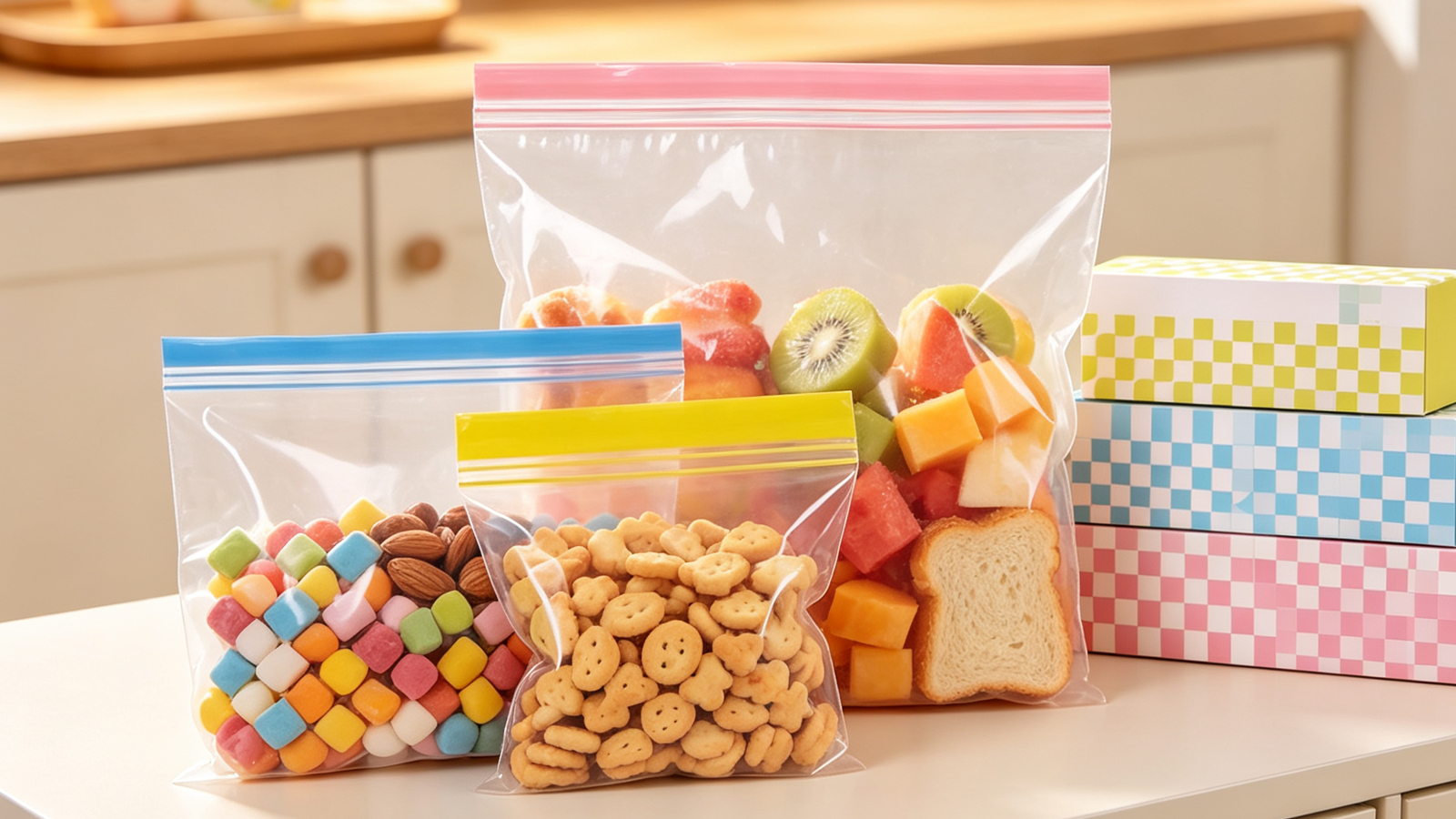
The European Union Packaging and Packaging Waste Regulation (PPWR) has set strict sustainability rules for food brands and packaging buyers. If you sell packaged snacks or pet nutrition in Europe, meeting these recycling requirements is now essential for market access. Brands must update traditional multi-layer films to fully recyclable flexible packaging without compromising product shelf life.
Navigating these regulatory requirements requires careful planning across material selection, pouch design, and supplier capabilities. Working with a qualified stand up zipper pouch manufacturer like Haida Packaging helps streamline this transition. Use this 2026 buyer’s checklist to verify that your pouch designs, materials, and machinery align with incoming sustainability rules.
1. Adopt Single-Material (Mono-Polymer) Structures
Traditional flexible packaging often layers different polymers together, such as PET, Aluminum, and PE. While this multi-material approach creates a strong barrier, it makes recycling extremely difficult. Under PPWR guidelines, packaging must utilize mono-material film structures to pass design-for-recycling standards.
Key mono-material approaches include:
-
All-PE (Polyethylene) Systems: Ideal for frozen treats, dry snacks, and dry pet food. Using oriented PE (BOPE or MDO-PE) laminated with standard PE creates clear, durable, and fully recyclable flexible food packaging.
-
All-PP (Polypropylene) Systems: Excellent for products requiring heat resistance, like retorted foods or warm fill lines.
-
Aluminum Foil Alternatives: Replace traditional metal layers with SiOx/AlOx coatings or ultra-thin metallized PE films. These options protect products against moisture and oxygen while maintaining stream compatibility.
2. Implement Smart Plastic Packaging Recyclability Design
Compliance goes beyond choosing the base material; every component attached to the bag must match the primary polymer stream. Implementing sound plastic packaging recyclability design rules prevents entire packaging lots from being rejected at local sorting facilities.
| Packaging Component | Non-Compliant Design | PPWR-Compliant Solution |
| Primary Film | PET / Foil / LLDPE | MDO-PE / EVOH / PE |
| Resealable Zipper | Standard PVC or mixed plastic | PE-compatible micro-zippers |
| Printing Inks | Heavy metal or non-washable inks | Water-based, non-toxic, washable inks |
| Barrier Layer | Thick aluminum foil | Ultra-thin EVOH or metallized mono-film |
| Degassing Valves | Mixed-polymer rigid valves | All-PE flexible matrix valves |
By pairing mono-PE film with matching PE closure profiles, an experienced pet food zipper bags manufacturer ensures the bag can be processed entirely through standard recycling streams without manual separation.
3. Verify Product Safety and Shelf-Life Barriers
Transitioning to sustainable films must not sacrifice product safety or shelf stability. Human snacks and pet foods face specific degradation risks that demand proven barrier protection:
-
Oxygen & Light Control: High-fat snacks and pet jerky require low oxygen transmission rates (OTR) to prevent oil oxidation. High-barrier MDO-PE films with thin EVOH layers provide effective oxygen protection without impacting recyclability.
-
Moisture Protection: Dry kibble and crispy chips require very low water vapor transmission rates (WVTR) to prevent soggy textures and mold growth.
-
Fat and Oil Resistance: Formulations high in natural fats demand strong internal seal layers to prevent grease migration through the seams.
Partnering with an experienced snack food zipper pouches supplier ensures you select high-performance films that balance shelf life needs with strict environmental standards.
4. Ensure Smooth Performance on Automated Filling Equipment
A sustainable pouch design must perform reliably on your production line. Switching from traditional multi-layer films to mono-material alternatives can affect machine speed and thermal sealing behavior:
-
Adjust Seal Temperatures: Mono-PE films have a narrower sealing temperature range than traditional PET/PE laminates. Ensure your filling machines feature precise thermal controls.
-
Optimize Pouch Geometry: Work with your converter to maintain stiff outer layers (like MDO-PE) so that stand-up pouches remain upright and slide smoothly through automatic packaging lines.
-
Check Zipper Clearance: Ensure the top opening is wide enough for filling spouts without clogging the zipper track, especially when packaging fine seasonings or crushed treats.
5. Require Verified Third-Party Certifications
Claims about sustainability must be backed by clear, verifiable documentation. When sourcing PPWR compliant flexible food packaging, request third-party compliance verification from your packaging provider.
Look for key credentials such as:
-
Food Contact Safety: BRCGS (A+ grade), ISO 9001, and LFGB/FDA food contact test reports.
-
Recyclability Audits: RecyClass certification or equivalent testing confirming stream compatibility.
-
Traceability Records: Clear material safety data sheets (MSDS) verifying the absence of harmful additives, such as PFAS or heavy metals.
Working with an established manufacturer like Haida Packaging gives you access to fully certified mono-material films, customized structural designs, and international compliance support.


