Mono-Material PE Zipper Bags: Recyclability, Barrier Trade-Offs and Supplier Questions
News Details
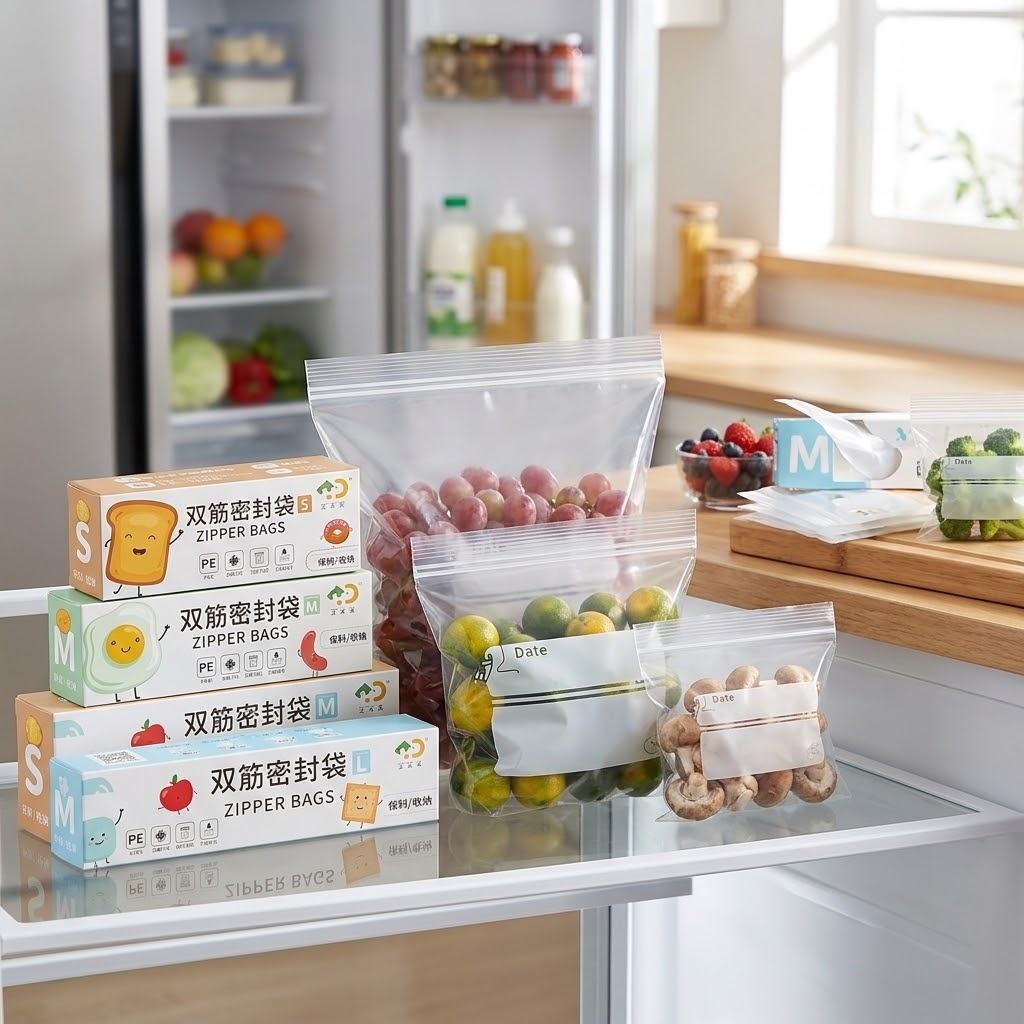
Sustainable packaging is changing rapidly. Brands want to reduce waste, protect products, and meet new green regulations around the world. In the past, flexible food pouches relied heavily on a mix of different plastic films and aluminum foil. While this multi-layer mix made bags strong and durable, it also made them very difficult to recycle. Today, the packaging industry is moving rapidly toward smart, fully recyclable alternatives. A prime example of this continuous innovation is the widespread shift toward mono-material PE zipper bags.
As a trusted stand up zipper pouch manufacturer, Haida helps brands navigate these material changes with ease. This article takes a close look at how these innovative bags work, the balance between eco-friendliness and product protection, and the key questions you should ask your supplier before making a purchase.
What Are Mono-Material PEZipper Bags?
Traditional pouches rely on multi-layer structures made from different types of materials. For example, a typical high-barrier pouch might combine PET for printing clarity, aluminum foil for light and oxygen protection, and standard PE for heat sealing. Because these distinct layers are laminated and fused together, recycling plants cannot easily separate them. As a result, millions of traditional pouches end up in landfills each year.
In contrast, mono-material PE zipper bags use polyethylene for the entire pouch structure. This includes the outer printable film, the middle support layer, and the inner heat-sealing layer. Even the zipper lock and tracks are made entirely from PE. Because the entire pouch belongs to a single polymer family, it can enter standard PE plastic recycling streams without sorting problems.
For brands focused on choosing a high-quality zipper bag for food storage, this uniform design provides a practical way to stay green without losing the everyday convenience of resealable closures.
Recyclability and Environmental Benefits
Why is this transition to single-polymer flexible packaging so important? Traditional composite packaging creates long-term environmental waste because separation is too costly. Mono-material structures completely change this outcome by creating a clean, high-value recovery stream.
-
Easier Sorting: Automated recycling and sorting facilities can easily identify and process pure polyethylene streams without contamination risks.
-
Lower Carbon Footprint: Using a single polymer type simplifies the conversion process, lowers energy consumption, and actively supports a circular economy.
-
Brand Compliance: Many international regions now enforce strict regulations and extended producer responsibility rules. Switching to mono-material PE helps companies avoid heavy eco-taxes and meet global sustainability targets.
-
Consumer Trust: Modern consumers prefer environmentally responsible brands. When customers see that your packaging is fully recyclable, it builds long-term trust and strengthens your overall market reputation.
Understanding Barrier Trade-Offs
While mono-material packaging offers clear advantages for the planet, it also presents technical considerations that brand owners must understand. Traditional aluminum foil layers offer near-absolute protection against moisture, oxygen, and light. When you eliminate aluminum or mixed PET layers to create a pure PE bag, you inevitably face some barrier trade-offs.
Moisture and Oxygen Resistance
Standard PE naturally excels at keeping moisture out, which protects dry products from clumping. However, basic PE allows higher oxygen transmission rates than aluminum foil. Higher oxygen exposure can lead to faster oxidation, loss of crunchiness, or flavor degradation in sensitive food items over extended periods.
Shelf Life Impact and Solutions
To protect dry snacks, pet food, specialty coffee, or organic snacks, manufacturers must enhance the PE structure. Modern techniques include using MDO-PE (Machine Direction Oriented Polyethylene) films paired with high-barrier EVOH layers or specialized vacuum coatings. These advanced formulations significantly boost oxygen resistance while maintaining the bag's overall recyclability.
Heat-Sealing Windows
Pure PE structures have a narrower heat-sealing temperature window than multi-layer films. This means high-speed automated packaging machines must be precisely calibrated to ensure strong, clean seals without burning through the material.
Balancing performance and sustainability requires expert engineering. At Haida, we carefully design our PE film formulations to provide maximum product protection while keeping the final package 100% recyclable.
Key Questions to Ask Your Supplier
Before you order custom packaging, you need to ensure your manufacturing partner can deliver reliable quality and consistent performance. Here are the most critical questions you should ask your supplier:
-
Are the zipper, tracks, and film made of the same polymer family? Make sure the zipper lock, sliders, structural layers, and sealants are all 100% polyethylene. If a non-PE zipper is welded onto a PE film, the entire pouch loses its full recyclability.
-
What specialized barrier coatings do you offer for sensitive foods? Ask if they use MDO-PE or food-grade EVOH barrier layers that maintain high oxygen protection without compromising the recycling stream.
-
Can these mono-material bags run smoothly on our existing filling lines? Confirm that seal strength, heat tolerance, and pouch stiffness match your current automated packaging and filling equipment.
-
What international certifications do your facilities hold? Look for verified global standards such as BRC, FDA, and ISO certifications to ensure food contact safety and consistent manufacturing quality.
-
What customized options are available for branding? Ask about surface printing options, matte or glossy finishes, clear product windows, and custom pouch dimensions to make your brand stand out on store shelves.
Partner with Haida for Sustainable Packaging
Choosing the right packaging partner makes all the difference when transitioning to eco-friendly solutions. Haida combines state-of-the-art manufacturing technology with rigorous quality control to deliver durable, high-performance, and sustainable packaging products.
Whether you need custom stand up pouches, high-barrier food packaging, or bulk food storage options, our experienced team provides tailored support from material selection to final production.
Visit Haida today to explore our full range of innovative packaging solutions and speak directly with our expert team.


