Laminated Slider Bags: How Multi-Layer Film Improves Barrier and Durability
News Details
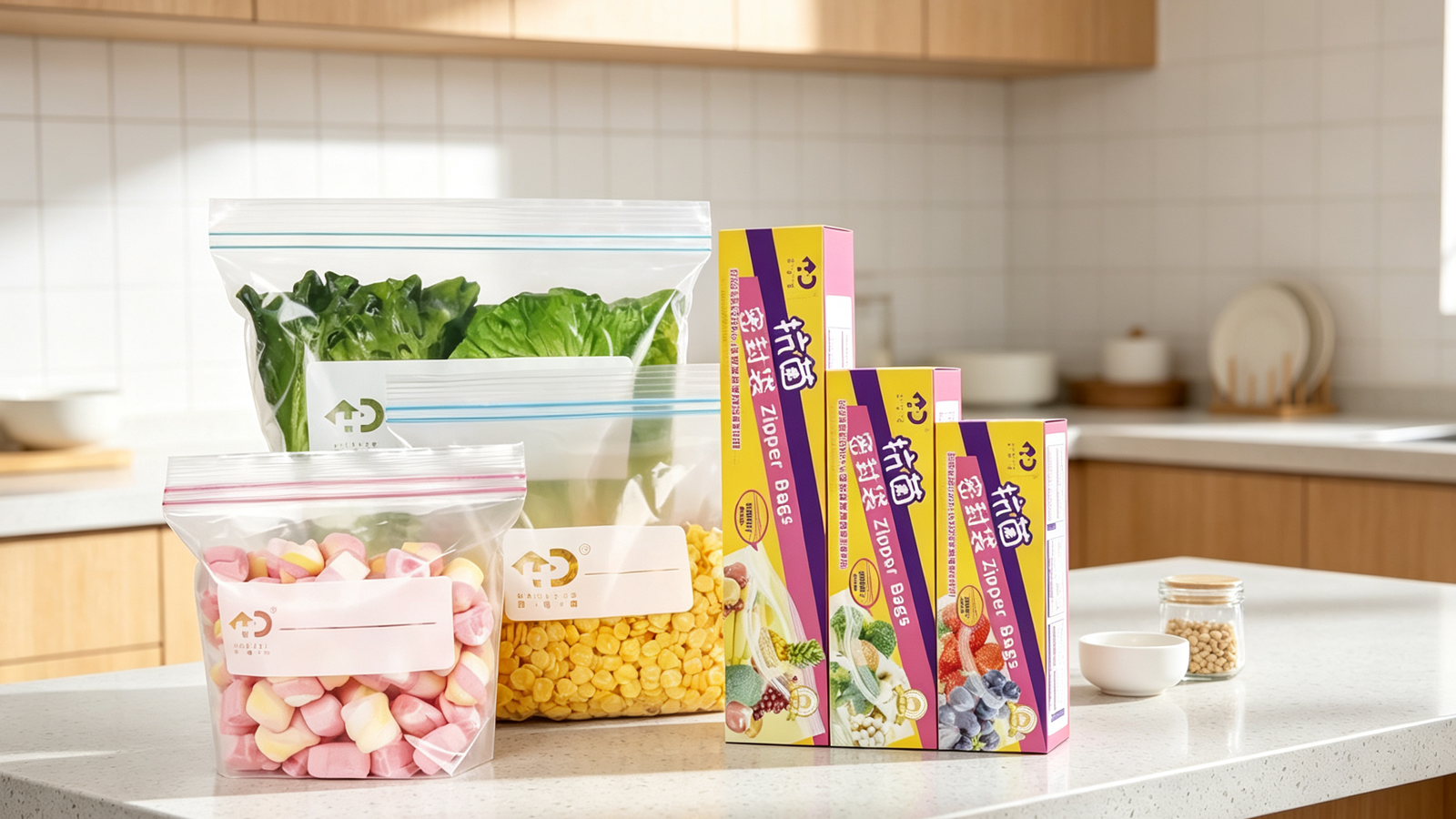
Freshness and durability are essential when choosing flexible packaging for consumer products. Single-layer plastic bags often fail to protect sensitive goods from moisture, oxygen, and physical punctures during transport. Because of this, modern brands rely heavily on multi-layer film structures to safeguard their products.
When combined with an easy-to-use slider closure, multi-layer technology creates a highly reliable packaging solution. In this article, we explore how laminated slider bags work, why multi-layer structures matter, and how they protect products across various industries.
What Are LaminatedSlider Bags?
Laminated slider bags are flexible pouches created by bonding two or more layers of specialized films together. Unlike basic single-layer poly bags, laminated packaging combines different material properties into one high-performance web.
In addition to strong film walls, these pouches feature an ergonomic slider track and clip. As a result, consumers can open and close the bag easily without damaging the seal. This combination of multi-layer protection and reclosable convenience makes slider packaging ideal for retail and industrial applications alike.
Understanding the Multi-Layer Film Structure
No single plastic material offers complete protection against every environmental threat. Therefore, manufacturers combine different substrate layers to create balanced packaging structures.
A standard laminated film consists of three main functional zones:
1. The Outer Layer (Print and Scuff Resistance)
The outer layer acts as the face of the packaging. It provides a clean surface for high-definition printing and protects graphics from scratching during handling.
-
Common Materials: PET (Polyethylene Terephthalate) or BOPP (Biaxially Oriented Polypropylene).
-
Key Benefits: High clarity, excellent tensile strength, heat resistance, and glossy or matte visual finishes.
2. The Middle Barrier Layer (Protection and Preservation)
The middle layer serves as a shield against moisture, vapor, air, light, and odor. This layer is vital for creating high barrier food packaging bags that preserve aroma and prevent spoilage.
-
Common Materials: VMPET (Metallized PET), Aluminum Foil (AL), NY (Nylon), or EVOH.
-
Key Benefits: Nylon adds puncture and tear resistance, while aluminum foil or metallized films stop oxygen and UV light completely.
3. The Inner Sealant Layer (Structural Integrity)
The innermost layer comes into direct contact with the product. It must seal tightly under heat and pressure while maintaining product safety.
-
Common Materials: LLDPE (Linear Low-Density Polyethylene) or CPP (Cast Polypropylene).
-
Key Benefits: Strong heat-seal strength, flexibility, leak protection, and food-grade safety compliance.
Key Benefits of Multi-Layer Film for Slider Packaging
Switching from basic single-layer bags to laminated multi-layer structures delivers significant performance upgrades.
Superior Barrier Against Oxygen and Moisture
Air and moisture are the biggest enemies of dry food, snacks, pharmaceuticals, and pet treats. Oxygen causes fat oxidation, while moisture ruins crisp textures. A multi-layer oxygen barrier zipper pouch prevents gas exchange, which extends product shelf life significantly.
Puncture Resistance and Mechanical Strength
Thick, multi-layer laminates resist tearing, splitting, and puncturing. For example, adding a Nylon layer absorbs external impacts and prevents sharp product edges (like nuts or hardware) from poking through the film.
Reliable Heat Seals and Slider Anchorage
Heavy-duty slider tracks require strong backing material to stay firmly attached. Multi-layer films provide a rigid base that allows ultrasonic and thermal welders to attach slider clips securely. Consequently, the slider mechanism operates smoothly without pulling away from the bag walls.
Common Applications Across Industries
Because laminated slider bags offer strong protection and convenient reclosing, they are widely used in many markets:
-
Food Packaging: Dried fruits, nuts, coffee, pet food, frozen seafood, and bulk snacks.
-
Home & Personal Care: Laundry pods, wet wipes, dishwasher tablets, and cosmetic refills.
-
Industrial & Hardware: Electronic parts, metal fittings, automotive components, and medical equipment.
Selecting the Right Laminated Packaging Partner
Customizing laminated film requires deep technical knowledge in material selection, lamination methods, and precision converting. Working with an experienced flexible packaging manufacturer ensures that your bag structure meets exact barrier and shelf-life requirements.
At Haida, advanced multi-layer lamination processes are combined with state-of-the-art slider conversion machinery. From custom film design to high-volume production, Haida Pack supplies reliable, high-performance packaging tailored to global standards.
Conclusion
Laminated slider bags combine structural strength, high barrier protection, and user-friendly closing mechanisms. By bonding specialized film layers together, brands can protect product quality, reduce food waste, and deliver a superior customer experience.
Visit Haida Pack today to explore custom laminated slider bag solutions for your brand.


