Antibacterial Food Storage Bags: How to Verify Claims, Test Methods and Food Contact Safety
News Details
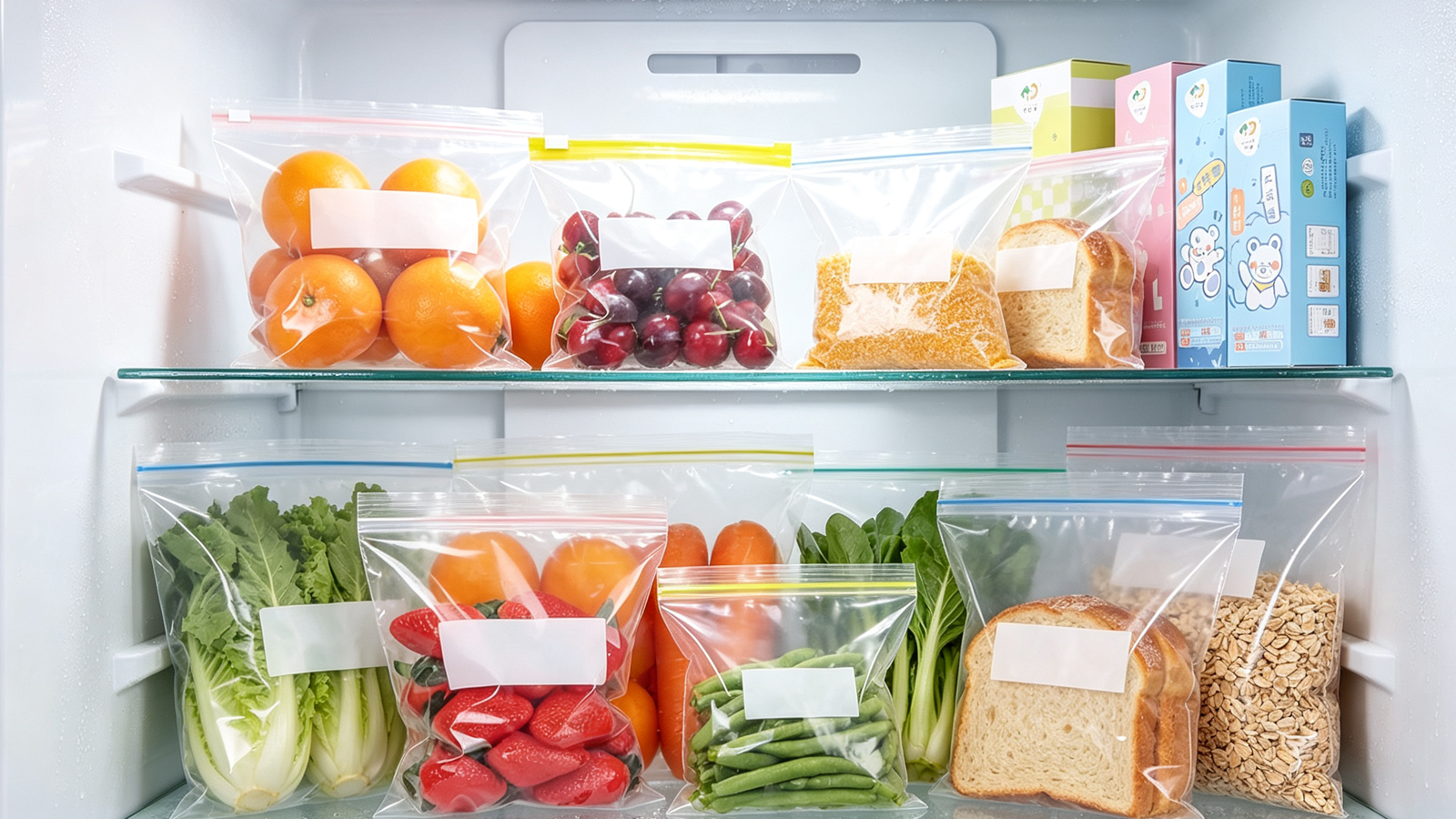
Antibacterial food storage bags are now a key option for food brands, retailers, distributors, and private-label buyers. They are used for meal prep, fresh produce, meat storage, freezer use, and daily household food protection. However, buyers should look beyond simple claims such as “99.9% antibacterial.” Instead, they should ask how the claim was tested, what material was used, and whether the bag is safe for direct food contact.
For B2B sourcing, this step is very important. A strong antibacterial claim can support product value, but only when it is backed by valid test data and clear food contact compliance. As a food-grade zipper bag and slider bag manufacturer, Haida focuses on practical packaging solutions for OEM and wholesale buyers, including zinc ion antibacterial slider bags and other food storage bag formats.
What Are Antibacterial Food Storage Bags?
Antibacterial food storage bags are plastic bags made with an antibacterial function on the bag surface or within the material system. In many cases, the goal is to reduce the growth of certain bacteria on the treated surface under defined test conditions.
These bags are often made from food-grade PE material and may include zipper, double zipper, or slider closures. For example, zinc ion antibacterial slider bags use zinc-based antibacterial technology together with a convenient slider seal. This makes them useful for home food storage, supermarket private labels, meal prep brands, and food service supply chains.
However, antibacterial does not mean sterile. It also does not replace proper food handling, cold storage, cleaning, or cooking. Therefore, packaging brands should use clear and accurate wording.
Why Verification Matters for B2B Buyers
For importers and brand owners, unverified antibacterial claims can create risk. If the claim is too broad, unclear, or unsupported, it may lead to customer complaints, failed audits, or market access issues.
So, before placing a bulk order, buyers should check three points:
First, ask what antibacterial agent is used. Zinc ion technology is widely used in treated plastic products, but the supplier should still explain the additive type, dosage control, and intended use.
Second, review the test method. A claim should be based on a recognized lab method, not only internal opinion.
Third, confirm food contact compliance. The antibacterial additive, base resin, color masterbatch, printing ink, and other components should be suitable for the intended food-contact use.
In short, antibacterial performance and food safety must be checked together.
Common Antibacterial Test Methods
Several test methods may be used for antibacterial-treated plastic surfaces. The right method depends on the product structure, claim type, and market.
ISO 22196 is often used to measure antibacterial activity on plastics and other non-porous surfaces. It is suitable for treated plastic surfaces and gives buyers a way to compare treated samples with untreated control samples.
ASTM E2149 is another method used to evaluate antimicrobial activity under dynamic contact conditions. It is often linked with non-leaching or immobilized antimicrobial agents and can be useful for screening treated materials.
In addition, some buyers may request JIS Z 2801, which is closely related to antibacterial testing on plastic and non-porous surfaces. The key point is not only the test name, but also the full report details.
A useful report should show the test organism, test time, sample size, control sample, reduction rate, test conditions, and lab information. Without these details, a simple “99.9%” claim is not enough.
How to Read a 99.9% Antibacterial Claim
Many antibacterial food storage bags use claims such as “99.9% antibacterial rate.” This can be valid when supported by proper testing. Even so, buyers should read it carefully.
A 99.9% reduction means the tested bacteria were reduced under the exact lab conditions used in the report. It does not mean the bag kills all bacteria in real use. It also does not mean food will stay fresh forever.
Therefore, better B2B wording may include phrases such as:
“Tested antibacterial performance against selected bacteria under laboratory conditions.”
“Antibacterial-treated food storage bags designed to help reduce bacterial growth on the bag surface.”
“Zinc ion antibacterial slider bags for food storage applications, subject to proper use and storage.”
This type of wording is clearer, safer, and more professional.
Food Contact Compliance: What Buyers Should Check
Food contact compliance means the bag material is suitable for contact with food under defined conditions. This may include room temperature storage, chilled storage, freezer use, dry food, moist food, fatty food, or acidic food.
For the U.S. market, buyers often review whether components are authorized for food-contact use under FDA-related requirements, such as applicable 21 CFR sections or other valid food contact authorizations.
For the EU market, buyers often ask for compliance with the general food contact framework under Regulation (EC) No 1935/2004, as well as plastic material rules and migration testing where needed.
For other markets, such as Japan, Korea, Australia, the Middle East, or South America, local requirements may also apply. As a result, buyers should tell the supplier the target market before production starts.
For antibacterial food storage bags, compliance should cover both the plastic resin and the antibacterial additive. It should also cover printing, color, slider parts, and any recycled or laminated structure if used.
Documents to Request Before Ordering
Before approving mass production, B2B buyers should request a clear document set. This helps reduce risk and makes customer approval easier.
Useful documents include:
Material specification sheet
Food contact declaration or compliance statement
Antibacterial test report from a qualified lab
Migration test report when required by the target market
Heavy metal or restricted substance test report if needed
Product safety data for additives, when available
Factory audit or quality certification documents
Sample approval record
Production batch traceability information
Haida’s product range includes food-grade zipper bags, freezer bags, slider bags, and antibacterial bag options. According to Haida’s website, the company has more than 20 years of experience in self-sealing and zipper bags, with a GMP-standard production base and certifications or audits including ISO9001, BRC, BSCI, FDA, and Disney.
Key Questions to Ask Your Supplier
Before buying zinc ion antibacterial slider bags or other antibacterial food storage bags, ask direct questions:
What is the antibacterial technology?
Which bacteria were tested?
Which test method was used?
Was the test done on the finished bag or only on raw film?
Is the antibacterial agent approved for the intended food-contact use?
What food types and temperatures are covered?
Can the supplier provide migration test results?
Can packaging artwork claims match the test report?
Can the supplier support OEM sizes, thickness, printing, and carton packing?
These questions make sourcing easier. They also help your sales team explain the product with confidence.
Choosing the Right Bag Structure
The right structure depends on the use case. For frozen meat or seafood, buyers may need thicker PE film, strong sealing, and good low-temperature resistance. For snacks, vegetables, or daily food storage, a lighter structure may be enough.
Slider bags are popular because they are easy to open and close. This is useful for family packs, private-label retail packs, and food service use. Double zipper bags can offer strong sealing and good leak resistance. Stand-up pouch formats can improve shelf display and user convenience.
In all cases, antibacterial performance should not be the only selling point. Buyers should also compare seal strength, odor barrier, puncture resistance, clarity, print quality, packing efficiency, and cost.
Why Work With Haida
Haida Group is a professional manufacturer of self-sealing bags, zipper bags, slider bags, freezer bags, and food-grade packaging solutions. The company serves wholesale and OEM/ODM buyers with custom sizes, materials, printing, and packing options.
For brands that need antibacterial food storage bags, Haida can support practical product development from sample review to mass production. This includes zinc ion antibacterial slider bags, double zipper freezer bags, and other food contact packaging formats.
A good antibacterial bag should be easy to use, safe for food contact, and supported by clear test data. Therefore, choosing a supplier with strong production control and compliance experience is just as important as choosing the bag design.
Final Buyer Checklist
Before you confirm an order, check the antibacterial claim, test report, food contact compliance, material structure, artwork wording, and target market rules. Also confirm the real use conditions, such as freezer storage, chilled storage, dry food, or direct food contact.
When these points are clear, antibacterial food storage bags can offer real value for retail, food service, and private-label packaging programs.


