PPWR Compliance for Flexible Food Packaging: A 2026 Buyer's Checklist
News Details
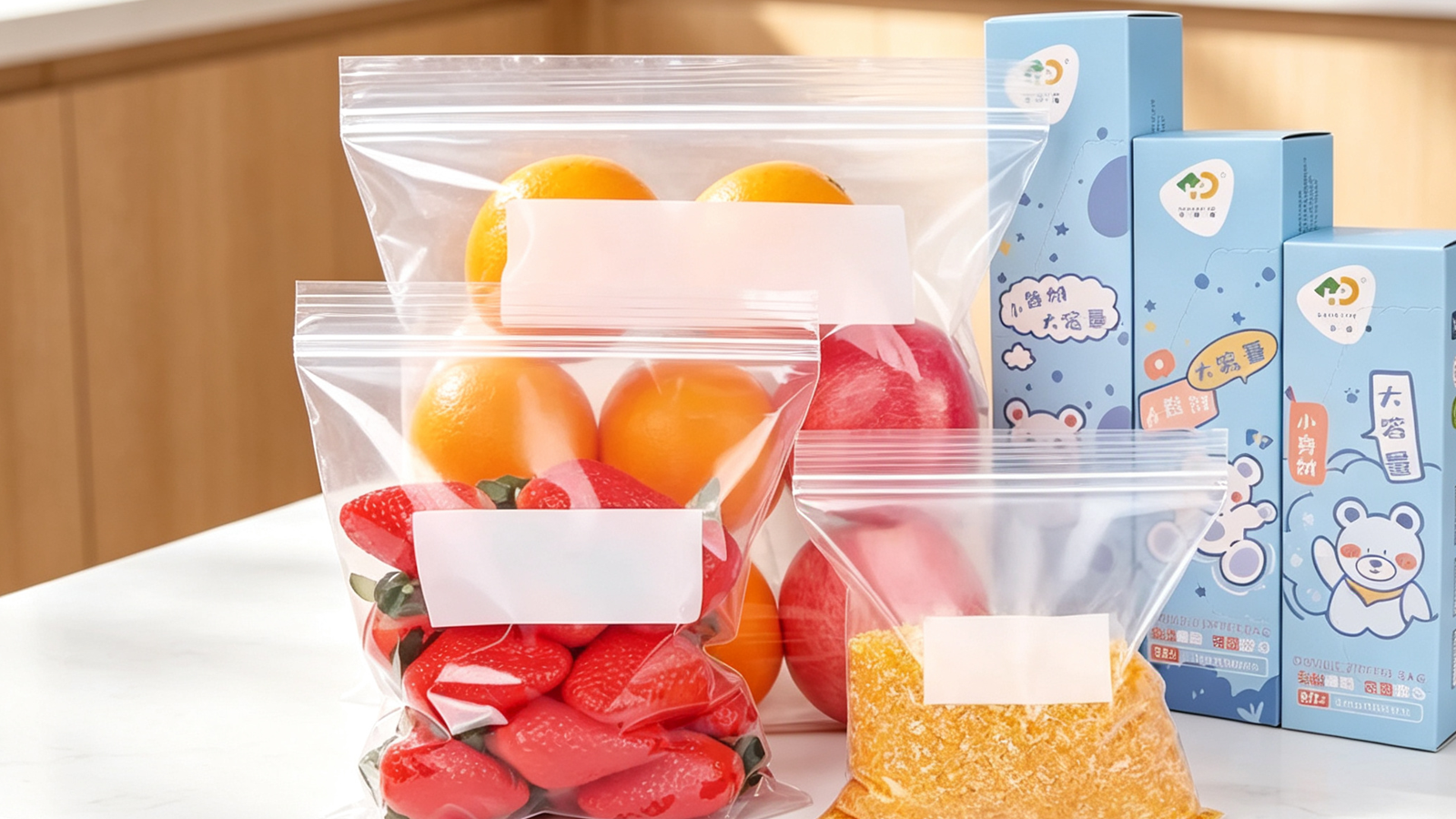
For companies sourcing food storage bags, freezer bags and other flexible packaging for the European market, 2026 is an important compliance year.
The EU Packaging and Packaging Waste Regulation—Regulation (EU) 2025/40, commonly known as the PPWR—entered into force on February 11, 2025 and generally applies from August 12, 2026. It introduces new requirements covering packaging design, restricted substances, recyclability, material reduction, labelling and supporting documentation.
For buyers, finding PPWR compliant packaging is not as simple as asking a supplier for a single certificate. Compliance depends on the final packaging specification, its components, intended use, destination market and the role of each company in the supply chain.
This checklist explains what food brands, retailers, distributors and importers should review when sourcing flexible packaging in 2026.
What Does PPWR Compliant Packaging Mean?
PPWR covers packaging placed on the EU market, whether it is manufactured within the European Union or imported from another country.
Its requirements apply to packaging materials as well as components such as closures, zippers, labels, inks and adhesives. The regulation aims to reduce unnecessary packaging, control substances of concern and improve packaging recyclability across the EU.
For flexible food packaging, compliance should be evaluated in two connected areas:
· Packaging and environmental requirements under PPWR
· Food-contact safety requirements under existing EU food-contact material legislation
PPWR does not replace food-contact safety rules. A freezer bag, zipper bag or food storage pouch may have a recyclable structure but still require migration testing and documentation for its intended food type and temperature conditions.
The European Commission provides current PPWR information through its officialPackaging Waste and PPWRFAQ pages.
The 2026 PPWR Buyer’s Checklist
1. Define the Packaging Application
Before contacting a packaging supplier, prepare a clear description of how the packaging will be used.
Specify:
· The type of food being packed
· Direct or indirect food contact
· Storage temperature
· Freezing, refrigeration or room-temperature use
· Expected storage period
· Bag dimensions and thickness
· Closure type, such as double zipper or slider
· Printing and labelling requirements
· Countries where the product will be sold
· Whether the packaging is single-use or reusable
“Food-grade bag” is not a complete technical specification. A bag intended for frozen meat may require different validation from one used for bread, fruit or dry snacks.
2. Request a Complete Material Specification
Ask the supplier to identify the material structure of the finished packaging, not just the main film.
For a zipper food bag, the specification should cover:
· Bag film
· Zipper or slider
· Printing inks
· Labels
· Adhesives, where applicable
· Secondary packaging
· Material weight and thickness
A bag described simply as “PE packaging” may still contain components that affect its recycling pathway. Component-level information is therefore essential for a reliable flexible packaging compliance review.
3. Verify Food-Contact Compliance
Packaging used in direct contact with food must not release substances at levels that could harm health, change the food’s composition or affect its taste and smell.
Buyers should request documentation appropriate to the finished product and intended use, which may include:
· Declaration of compliance
· Overall and specific migration test reports
· Test conditions and food simulants
· Applicable temperature and contact-time conditions
· Raw material declarations
· Good Manufacturing Practice information
· Batch and production traceability records
A test performed for room-temperature dry food should not automatically be treated as evidence for freezer storage, microwave use or contact with fatty foods.
The European Commission’s food packaging guidance provides an overview of food-contact safety, migration limits, manufacturing controls and traceability expectations.
4. Review PFAS and Other Restricted Substances
From August 12, 2026, food-contact packaging placed on the EU market must comply with the PPWR limits for PFAS.
Buyers should ask potential suppliers:
· Whether PFAS are intentionally added
· Which raw material declarations are available
· Whether the declaration covers films, inks, coatings and closures
· What testing method or supplier evidence supports the statement
· How changes in raw materials are controlled
Similar checks should be made for other regulated substances, including relevant heavy metals.
5. Evaluate Design for Recycling
PPWR introduces phased recyclability requirements, with major obligations applying from 2030 and stricter performance expectations following later.
For flexible bags, design discussions may include:
· Whether a mono-material structure is technically possible
· Compatibility between the film and zipper
· Ink and print coverage
· Labels and adhesives
· Pigments and additives
· Local collection and recycling infrastructure
· The packaging format’s future recyclability grade
Mono-material polyethylene structures can support recycling-oriented design, but “made from PE” does not automatically mean a finished package is recyclable in every EU market.
Ask the supplier to explain the material choices and provide evidence relevant to the intended country—not just a generic recyclable symbol.
6. Check Packaging Weight and Empty Space
PPWR requires packaging to be designed with unnecessary material, weight and volume kept to a minimum.
Buyers should review:
· Whether the dimensions match the product
· Whether the film is thicker than needed
· Whether excessive secondary packaging is used
· Whether the number of packaging layers can be reduced
· Whether performance remains acceptable after downgauging
The goal is not to select the thinnest possible bag. A bag that tears during filling, transport or freezer storage may increase food waste and total material use.
The right specification balances material reduction with seal strength, puncture resistance and reliable product protection.
7. Confirm the Recycled-Content Approach
PPWR introduces minimum recycled-content requirements for certain plastic packaging categories, with targets and exemptions applying according to packaging type and implementation schedule.
Food-contact packaging requires particular care because recycled plastics must also satisfy EU food-safety requirements.
Before setting a recycled-content target, confirm:
· Whether the packaging category is subject to a target
· Whether an exemption applies
· Whether the recycled resin is authorized for food-contact use
· How recycled content is calculated and verified
· Whether the supplier can provide chain-of-custody evidence
Do not approve recycled material for direct food contact solely on the basis of a sustainability claim.
8. Review Labels and Consumer Information
PPWR introduces harmonized packaging labelling requirements, although individual obligations will be phased in alongside implementing measures.
Buyers should clarify:
· Which party is responsible for artwork approval
· Required material-identification information
· Disposal and sorting instructions
· Language requirements
· Claims such as “recyclable” or “recycled content”
· Space required for future regulatory markings
Avoid making environmental claims that cannot be supported for the final packaging and destination market.
9. Build a Product-Specific Technical File
A responsible PPWR packaging supplier should be able to support the buyer with product-specific information. However, buyers and importers must also maintain the documents required for their own role.
A technical file may include:
· Approved specification
· Component and material list
· Food-contact declarations
· Migration test reports
· Restricted-substance declarations
·


