Mono-Material PE Zipper Bags: Recyclability, Performance and Trade-Offs
News Details
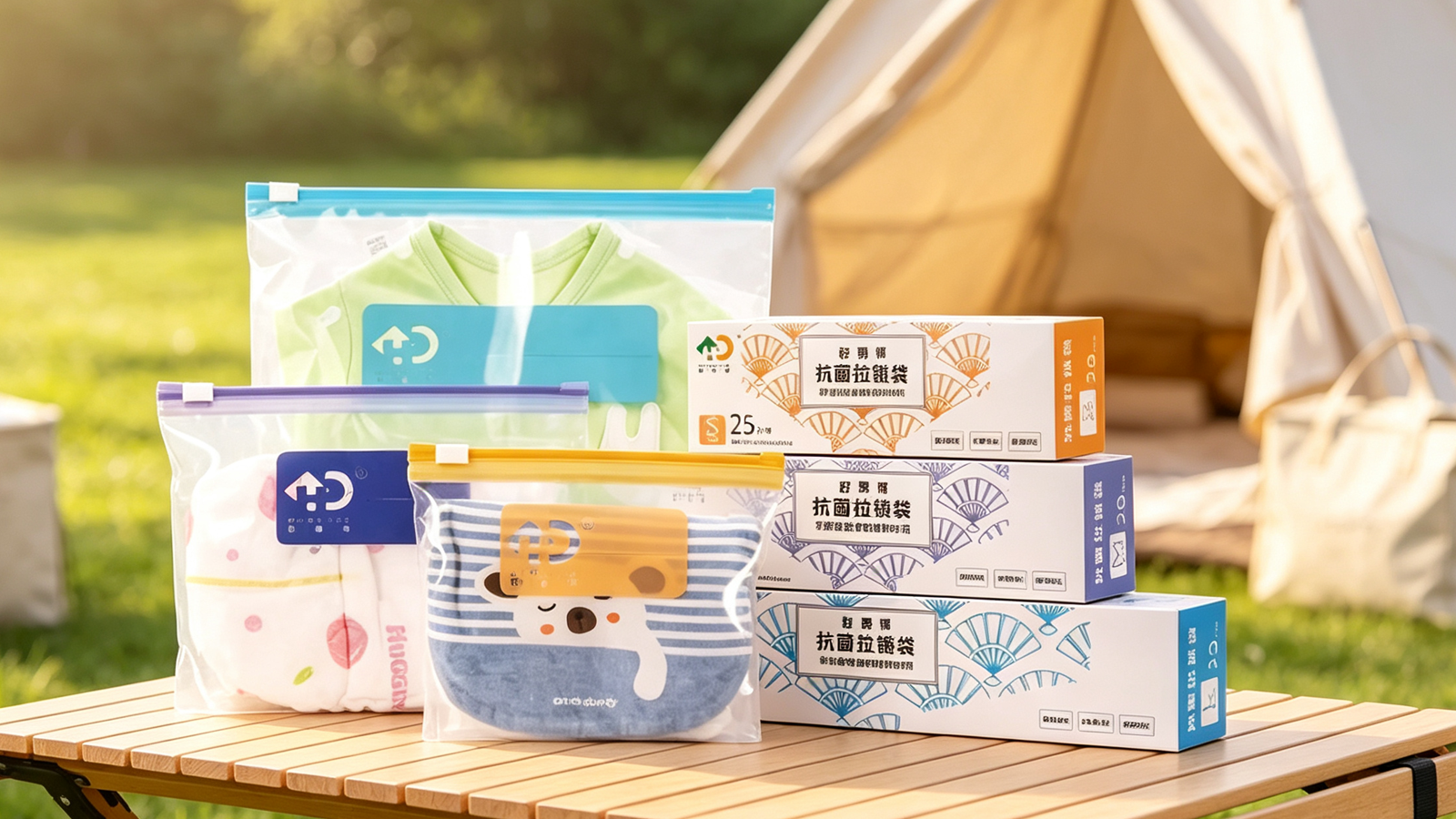
Sustainable packaging is no longer just a trend. Today, strict environmental mandates and shifting consumer preferences force brands to rethink traditional flexible packaging. For years, multi-layer laminates like PET/PE or PET/AL/PE dominated the market because they offer high barrier protection. However, these mixed-material structures are nearly impossible to recycle in standard waste streams.
As a result, brands and importers are turning to mono material PE zipper bags as a fully circular alternative. By replacing mixed polymers with a single material resin, companies can deliver recyclable zipper bags without giving up convenience or function.
This article examines how mono PE packaging works, its performance benefits in applications likerecyclable freezer bags, and the engineering trade-offs you must consider before upgrading your supply chain.
What Is Mono-Material PE Packaging?
In traditional packaging, manufacturers bond different plastic layers together to combine their strengths. For instance, PET provides stiffness and printing clarity, while PE provides sealability and flex resistance. Unfortunately, recycling centers cannot easily separate these fused layers.
In contrast, mono-material polyethylene structures rely entirely on PE resins across all layers. Advanced processing techniques—such as Machine Direction Orientation (MDO-PE)—allow engineers to craft PE films that match the stiffness and clarity of PET.
Key structural components include:
-
Outer Layer: MDO-PE film designed for high heat resistance and crisp printing graphics.
-
Core / Barrier Layer: Specialized PE blends or thin EVOH coatings that protect against moisture and oxygen.
-
Inner Sealing Layer: Low-Density Polyethylene (LDPE) or Linear Low-Density Polyethylene (LLDPE) designed for quick, tight heat sealing.
-
Zipper Profile: A 100% PE closure mechanism welded directly to the film.
Because every component belongs to the same resin family, the entire bag enters standard PE recycling streams (Code 4 / LDPE) without manual sorting.
Key Benefits of Mono-Material PE Zipper Bags
Transitioning to mono-material solutions offers clear operational, regulatory, and branding advantages for B2B buyers.
1. True Circular Recyclability
Because all layers use polyethylene, municipal facilities and store drop-off programs can easily recycle these pouches. Consequently, using mono PE packaging helps brands lower their carbon footprint and meet Extended Producer Responsibility (EPR) targets.
2. High Moisture Barrier for Frozen and Dry Goods
Polyethylene naturally resists moisture vapor. As a result, mono PE films perform exceptionally well for frozen foods, pet treats, dry powders, and snacks. For example, brands using recyclable freezer bags report excellent resistance to freezer burn, pinholing, and cold-temperature cracking.
3. Integrated All-PE Zipper Profiles
A truly recyclable package requires every element to match. Traditional zipper bags often mix PP zippers with PE body films, creating contamination during recycling. Modern mono material PE zipper bags use all-PE zipper closures, ensuring complete material harmony.
Technical Performance and Trade-Offs
While mono-material PE offers outstanding environmental credentials, transitioning from multi-layer laminates involves technical considerations. Understanding these trade-offs helps packaging engineers optimize their pouch designs.
| Performance Attribute | Traditional Laminates (PET/PE) | Mono-Material PE Packaging | Engineering Adjustment |
| Recyclability | Non-recyclable (Landfill/Incineration) | 100% Recyclable (PE Stream) | None needed |
| Heat Resistance | High melting point (PET ~260°C) | Lower melting point (PE ~120-130°C) | Precise temperature control on sealing lines |
| Oxygen Barrier | High (using AL or PET layers) | Moderate to High (requires EVOH or barrier coatings) | Add high-barrier PE resin modifications |
| Pouch Stiffness | Very high structural rigidity | Flexible to medium rigidity | Use oriented MDO-PE film layers |
Managing Sealing Windows and Temperature
Because PE melts at lower temperatures than PET, packaging lines need accurate thermal controls. If the sealing jaws run too hot, the outer PE film may stretch or distort. Fortunately, upgrading to MDO-PE outer films widens the sealing window, allowing smooth performance on automated form-fill-seal machinery.
Enhancing Gas Barrier Properties
Standard PE blocks moisture effectively, but it naturally permits gas transmission. For oxygen-sensitive goods like roasted coffee or nuts, manufacturers add ultra-thin EVOH barrier layers (under 5% total weight) or specialized barrier coatings. These additions keep oxygen out while remaining fully compatible with PE recycling standards.
Partnering with Certified Mono-PE Manufacturers
Successfully deploying sustainable pouches requires close collaboration with experienced flexible packaging suppliers.
Industry leaders like Haidaspecialize in developing high-performance mono-material packaging solutions. By leveraging state-of-the-art MDO-PE extrusion technology and precision heat-sealing engineering, Haida Pack manufactures certified recyclable zipper bags that match the shelf presence and durability of conventional laminates.
Working with an established supplier ensures:
-
Custom Barrier Formulations: Tailored moisture and gas protection based on your exact product shelf-life needs.
-
Rigorous Quality Control: Leak testing, drop testing, and puncture resistance evaluation across various temperature ranges.
-
Global Compliance: Full adherence to FDA, EU food contact safety regulations, and international recycling guidelines.
How to Plan Your Transition to Mono-PE Packaging
If you plan to switch your product line to recyclable flexible packaging, follow this structured roadmap:
-
Evaluate Product Barrier Needs: Determine your required water vapor transmission rate (WVTR) and oxygen transmission rate (OTR).
-
Request Sample Rollstock and Pouches: Run trial tests on your filling lines to verify heat-sealing speeds and closure performance.
-
Verify Local Recycling Guidelines: Confirm that your target markets support PE store drop-off or curbside recycling infrastructure.
Conclusion
Switching to mono material PE zipper bags gives brands a direct path toward circular packaging goals. Although technical adjustments around sealing temperatures and oxygen barriers require careful planning, modern resin technology bridges the gap effectively. By partnering with experts like Haida, importers and brand owners can deliver durable, compliant, and recyclable zipper bags that satisfy both regulators and eco-conscious consumers.


